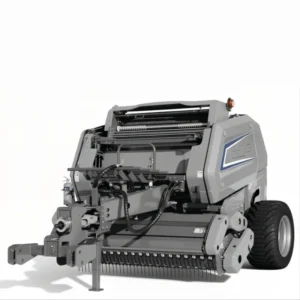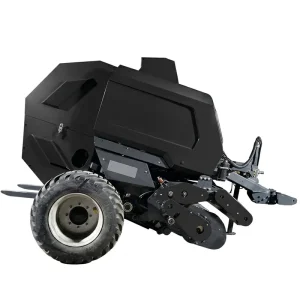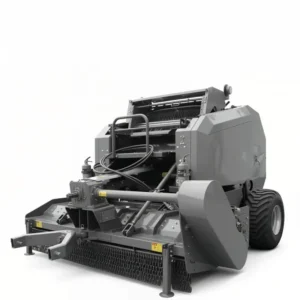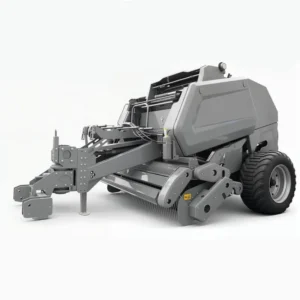
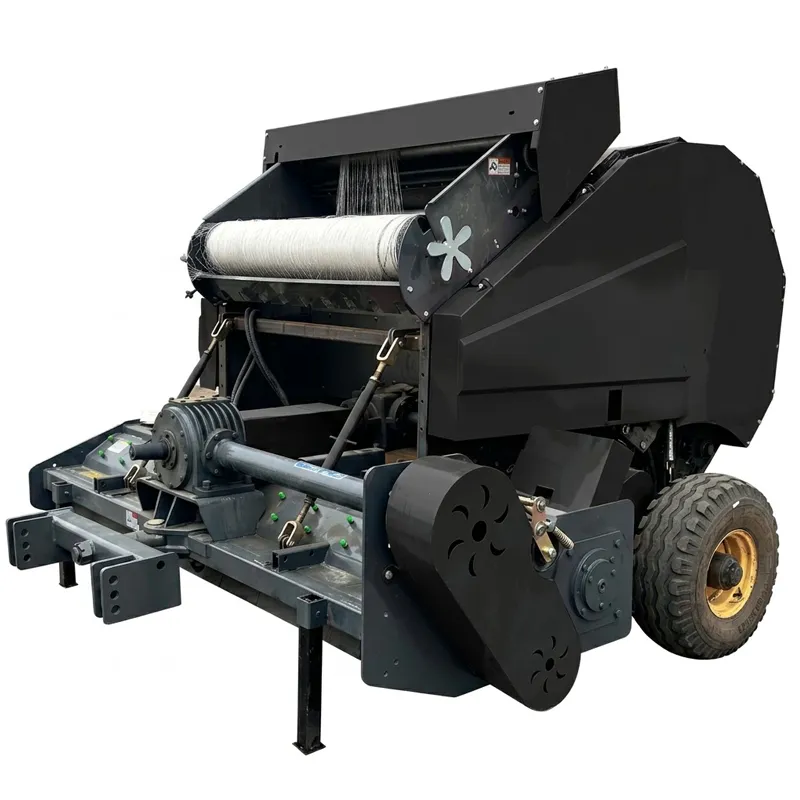
EP-9YQ-2300 · 2300mm Picker Width Round Baler
The EP-9YQ-2300 is a mid-to-large capacity towed round baler built around a 2300 mm spring tooth pickup width and a roll drum baling chamber that produces Φ1000 mm diameter bales. Its matching power range of 58.8–132.5 kW gives it exceptional tractor compatibility — spanning everything from well-equipped 80 HP farm tractors to large 180 HP commercial units.
What sets the EP-9YQ-2300 apart technically is its dual-mode feeder structure: a shift fork feeding mechanism combined with a screw continuous feeding mechanism. This pairing handles the transition between sparse and dense windrow sections without the operator needing to adjust forward speed dramatically.
The automatic net wrapping bundling system handles bale securing without cab exit or manual material feeding, and the 18 pressing rollers of Φ190 mm diameter deliver consistent compression force throughout the bale formation cycle.
Agricultural Baling Equipment · Mid-Range Round Baler Series
EP-9YQ-2300 · 2300mm Picker Width
Empacadora redonda
A versatile mid-to-large capacity towed empacadora redonda with a 2300 mm picking width, dual-mode shift fork plus screw continuous feeding, and automatic net wrapping — suited for wheat straw, rice straw, corn stover, cotton straw, and diverse forage crops across South Korea, Australia, the Netherlands, Canada, Brazil, and global markets.
1. Technical Specifications
Full factory-standard parameters for the EP-9YQ-2300 round baler machine are listed below. Confirm your tractor's rated PTO output falls within the 58.8–132.5 kW power range before coupling, and check local road transport regulations for the 2750 mm overall transport width in your region.
| Serial No. | Artículo | Unidad | Especificación |
|---|---|---|---|
| 1 | Nombre del modelo | — | EP-9YQ-2300 Round Baler |
| 2 | Hitching Method | — | Arrastrado |
| 3 | Picking Width | mm | 2300 |
| 4 | Feed Inlet Width | mm | — |
| 5 | Picker Structure | — | Spring Tooth Type |
| 6 | Feeder Structure | — | Shift Fork Feeding Mechanism + Screw Continuous Feeding Mechanism |
| 7 | Type of Compressing Bale Chamber | — | Roll Drum Type |
| 8 | Width of Compressing Room | mm | 1250 |
| 9 | Diameter of Compression | mm | Φ1000 |
| 10 | Quantity of Roll-Pressing Working Components | pc | 18 |
| 11 | Diameter of Roll-Pressing Roller | mm | Φ190 |
| 12 | Bundling Type | — | Automatic Net Wrapping |
| 13 | Matching Power Range | kW | 58.8 – 132.5 |
| 14 | Overall Dimension (L×W×H) | mm | 2950 × 2750 × 2050 |
| 15 | Machine Weight | kilogramo | 2500 |
2. Five Key Advantages of Round Baler
Widest Practical Power Range in Its Class
A matching power range of 58.8–132.5 kW means the EP-9YQ-2300 is compatible with tractors from approximately 80 HP to 180 HP — a span that covers the majority of mid-size and large utility tractors in active use across South Korea, Australia, and North America. Buyers rarely need to purchase additional tractor equipment to run this empacadora redonda, which significantly reduces the total cost of system acquisition and makes the machine practical for farms and contractors with mixed-generation tractor fleets.
Dual-Mode Feeding: Shift Fork + Screw Continuous
The combination of a shift fork feeding mechanism and a screw continuous feeding mechanism gives the EP-9YQ-2300 a feed system that handles variable windrow density more gracefully than single-mechanism alternatives. The shift fork captures and lifts material from the pickup, while the screw element provides metered continuous flow into the chamber. This dual-mode approach reduces the sudden overload events that cause chain breakage and bale shape irregularities — particularly important when transitioning between thin sections and heavy bunched windrows in the same field pass.
2300 mm Pickup Width — More Ground Per Pass
At 2300 mm, the picking width on this round hay baler is among the widest available in the mid-power round baler segment. A wider pickup reduces the number of field passes required to clear a given area, directly lowering fuel consumption and field time per tonne of material baled. For operations where windrows have been combined or are naturally wide due to high crop yield, the 2300 mm head lifts material across the full windrow in a single pass without the crop loss that occurs when narrower pickups leave material on the outer edges.
Compact Transport Footprint for a 2300 mm Pickup
The overall dimensions of 2950 × 2750 × 2050 mm and machine weight of 2500 kg represent a notably compact form factor for a round baler machine with a 2300 mm working width. This makes road transport between fields and farm sites considerably easier than larger balers in the same output category — in many markets, 2750 mm overall width falls within the standard load width limit for unrestricted road movement on agricultural roads, avoiding the permit and escort requirements that add time and cost to inter-farm logistics.
Automatic Net Wrapping — Full Bale Security
The automatic net wrapping bundling system on the EP-9YQ-2300 secures each hay round bale without the operator leaving the cab. Once the Φ1000 mm target diameter is reached, the system activates, applies the net wrap across the bale surface, cuts the material, and signals bale ejection readiness. Net-wrapped bales maintain their cylindrical shape during field storage, resist weather penetration more effectively than twine-tied bales, and are compatible with the tractor-bucket and round bale trailer handling equipment standard on commercial livestock operations across Australia, Canada, and the Netherlands.
3. How a Round Baler Works — The EP-9YQ-2300 Operating Sequence
For buyers evaluating their first empacadora redonda purchase, or operators moving from square baling to round baling, the operating sequence below explains exactly how the EP-9YQ-2300 converts a windrow into a finished, net-wrapped bale.
Stage 1 — Pickup: The spring tooth (锯爪式) pickup structure sweeps across a 2300 mm swath, lifting windrowed crop material from the field surface. The spring tooth design allows individual tines to flex over surface irregularities without breaking, while the tooth pattern ensures that material from the entire pickup width reaches the inlet. The tractor moves forward continuously during this stage — the pickup operates without interruption between bales.
Stage 2 — Dual-Mode Feeding: The shift fork element engages first, capturing the material lifted by the pickup and directing it across the inlet into the chamber entrance. The screw continuous feeding mechanism then takes over to deliver a steady, metered flow of material into the roll drum compression zone. This handover between mechanisms is what allows the system to manage varying windrow density without overloading the chain drive or creating feed stoppages.
Stage 3 — Bale Formation: Inside the roll drum baling chamber, 18 pressing rollers of Φ190 mm diameter rotate in sequence, compressing the incoming material into a growing cylindrical form. The compression room width of 1250 mm determines the bale width, while the Φ1000 mm compression diameter sets the target bale size. The rollers apply increasing compression force as the bale expands — maintaining contact with the outer bale surface throughout the formation cycle to build density from the core outward.
Stage 4 — Net Wrapping: When the bale reaches its target diameter, the automatic net wrapping system activates. Net material feeds from the roll, wraps around the rotating bale across its full 1250 mm width, and the cutter severs the net at the programmed wrap count. The number of wraps applied determines the security level of the finished round hay bale — typically 2–3 overlapping passes for dry straw, and up to 4–5 passes for heavier silage-destined material.
Stage 5 — Ejection and Reset: The rear gate opens hydraulically, the completed bale rolls out onto the field, and the gate closes. The system resets for the next cycle within approximately 30–50 seconds. During this window, the tractor is repositioned to the next windrow section, and the pickup resumes collection immediately as the gate closes and the pressing rollers begin accumulating the next bale.
4. Materials & Construction
The EP-9YQ-2300 is built around a welded structural steel main frame sized to handle the sustained mechanical loads generated by 18 pressing rollers operating at the upper end of the 58.8–132.5 kW power input range. Frame sections are cut and formed from structural steel plate, fitted with internal bracing at the compression chamber mount points, and MIG-welded at all primary joints with weld quality verified before sub-assembly begins. The completed frame is shot-blasted and primed before painting — a surface preparation step that significantly extends corrosion resistance across wet-season paddy field environments and humid subtropical climates common in South Korean and Southeast Asian operating conditions.
The 18 pressing rollers are manufactured from precision-turned steel tube with Φ190 mm diameter. Each roller is surface-hardened on its outer working face to resist abrasive wear from crop material and the chamber wall contact. Roller shaft ends run in spherical roller bearings selected to handle the combined radial and axial loads generated during bale formation — with bearing sizes calculated for the compression forces typical of the machine's mid-to-large capacity output class. Bearing housings are sealed and greased to extend service intervals between maintenance stops.
Spring tooth pickup tines are formed from high-carbon spring steel, heat-treated after bending to the correct profile to achieve the elasticity needed for ground-following without permanent deformation. The dual-mode feeder — shift fork elements and screw mechanism — uses case-hardened working surfaces on the crop contact areas to resist the sliding wear generated by high-throughput feeding at maximum forward speed. Drive chain and sprocket specifications are matched to the maximum PTO input torque at 132.5 kW to ensure a safe working margin at the upper end of the machine's power range.
The net wrapping mechanism components — net knife, roll holder, and wrap guide — use wear-resistant materials at the net contact points, as net cutting and guiding are the highest-wear-rate functions in the bundling system. External paint protection uses a UV-stable polyurethane topcoat over anti-rust primer, appropriate for the range of climatic conditions across the machine's target markets from high-humidity Korean summers to arid Australian wheat belt conditions.
5. Application Scenarios
Rice Straw Post-Harvest Recovery — South Korea & East Asia
South Korea's Ministry of Environment has progressively tightened regulations on open rice straw burning — pushing paddy farmers toward mechanical baling as both a compliance solution and a revenue opportunity. The EP-9YQ-2300 empacadora redonda's spring tooth pickup handles soft paddy soil conditions effectively, lifting straw without excessive soil disturbance. The resulting net-wrapped round hay bales are suitable for livestock bedding supply, mushroom substrate production, biogas feedstock, and compost raw material — all active commercial channels for rice straw in South Korea and Japan.
Wheat & Barley Straw Baling — Australia & Canada
Cereal straw baling in Australia's grain belt and across the Canadian prairies is typically conducted in narrow harvest windows following the combine. The EP-9YQ-2300's 2300 mm pickup covers wide windrows laid by high-capacity combine headers in a single pass, reducing field time and fuel burn per tonne of straw collected. The 58.8–132.5 kW power range matches the tractors commonly available on mid-size to large grain operations in these markets — most of which run 100–150 HP units suitable for this round hay baler for sale category.
Pasture & Forage Grass Baling for Livestock Farms
Beef, dairy, and sheep operations across the Netherlands, New Zealand, and Argentina that produce their own stored forage use large agricultural round balers to process ryegrass, alfalfa, clover, and mixed pasture species into bales for winter feeding. The EP-9YQ-2300 produces Φ1000 mm bales that are compatible with standard round bale ring feeders, bale unrollers, and tractor-bucket handling equipment — the typical mechanized feeding setup on commercial livestock operations managing 200 head or more. Net-wrapped bales store safely outdoors for several months when positioned on well-drained ground.
Corn Stover & Cotton Straw for Industrial Biomass
The shift fork plus screw continuous feeder combination on the EP-9YQ-2300 handles the bulky, irregular-length material of corn stover and cotton straw with fewer feed stoppages than auger-only systems. For operations supplying biomass energy plants, bio-ethanol facilities, or industrial compost producers in Brazil, Colombia, and South and Southeast Asia, the ability to bale these materials reliably at commercial throughput rates is a direct revenue driver. The compact overall dimensions of this round baler machine also simplify logistics to processing sites compared with larger, heavier competing units.
Mixed-Farm Contractor Operations
Custom baling contractors who operate across multiple client farms benefit from the EP-9YQ-2300's broad tractor compatibility and straightforward daily service requirements. With a matching power range stretching from 80 HP to 180 HP, this empacadora redonda can be coupled to different tractors at successive client sites without carrying a dedicated tractor between jobs. The 2750 mm overall width is within standard agricultural vehicle width limits in most operating markets, simplifying inter-farm road transport without special permits in the majority of cases — a meaningful operational advantage during the compressed seasonal window when contractors are moving between multiple client locations each day.
6. Regulatory Considerations by Market
Importing and operating a empacadora redonda commercially involves navigating national machinery safety, certification, and road transport regulations that vary significantly by market. The following outlines the key compliance areas relevant to the EP-9YQ-2300 in its primary export regions.
🇰🇷 South Korea
The Agricultural Mechanization Promotion Act under MAFRA governs performance evaluation and subsidy eligibility for imported machinery. FACT (Foundation of Agri. Tech. Commercialization & Transfer) testing may be required for subsidy registration. Rice straw baling is increasingly incentivized under the Ministry of Environment's agricultural burning restriction programs — buyers in South Korea should check available regional support programs when evaluating the EP-9YQ-2300 for rice paddy post-harvest use. Road transport of towed balers must comply with SMV display and lighting requirements under the Road Traffic Act.
🇪🇺 European Union
CE marking under EU Machinery Directive 2006/42/EC (updated by Machinery Regulation EU 2023/1230, applicable from January 2027) is mandatory for agricultural machinery sold in EU member states. PTO shaft guarding must comply with EN ISO 5674. The 2750 mm overall transport width of the EP-9YQ-2300 falls within or at the boundary of standard vehicle width limits in most EU member states — buyers in the Netherlands, Germany, and Belgium should verify current national road transport authority regulations regarding towed agricultural implements before planning field-to-field movement on public roads.
🇦🇺 Australia
Safe Work Australia WHS Regulations and the AS/NZS 4024 machinery safety standard series apply to PTO-driven towed equipment operating on Australian farms. The Biosecurity Act 2015 enforced by DAFF requires all imported used agricultural machinery to be cleaned and inspected at the border for soil, plant material, and weed seed contamination. The 2750 mm transport width should be verified against individual state road transport authority width limits in Queensland, NSW, and Western Australia before road movement planning.
🇧🇷 Brazil & 🇨🇴 Colombia
Brazil requires MAPA registration and may require INMETRO component certification for commercially imported empacadora redonda equipment. ABNT NBR technical standards apply for noise and vibration documentation. In Colombia, DIAN import classification under the Andean Community Common External Tariff determines applicable duty rates — buyers should verify the current HS tariff code classification for trailed agricultural round balers before finalizing import cost calculations. Ministerio de Agricultura y Desarrollo Rural registration may also be required for commercial resale within Colombia.
🇨🇦 Canada
Provincial WHS acts covering PTO guarding (Ontario OHS Act, Saskatchewan Farm Safety Act) apply. Transport Canada SMV regulations require appropriate signage when towing on public roads. CFIA phytosanitary import conditions apply to used machinery with soil contact history. New machines shipped factory-direct typically bypass CFIA biological inspection requirements — buyers should confirm this with their customs broker based on the machine's specific prior-use status at point of export.
🌏 ISO Reference Standards
ISO 8210 (harvesting machinery safety) and ISO 11684 (safety signs on agricultural machinery) provide the baseline framework used by buyers in markets without specific national agricultural machinery certifications. Our standard export documentation pack includes technical data referencing these ISO standards — typically accepted as supporting documentation for customs clearance and local government equipment procurement processes across Southeast Asia, East Africa, and the Gulf region.
7. Round Bale Practical Reference: Weight & Equivalency
Operators planning feed budgets and transport logistics for round hay bales from the EP-9YQ-2300 need reliable weight and equivalency estimates to make informed operational decisions.
How much does a round bale of hay weigh? At Φ1000 mm diameter and 1250 mm chamber width, the EP-9YQ-2300 produces bales in a lighter class than the largest commercial round balers. Dry wheat or rice straw bales typically weigh 200–300 kg. Pasture hay bales compressed at higher density settings fall in the 250–380 kg range. Baling at elevated moisture content for wrapped silage will add 25–40% to these baseline weights. The machine's compression chamber dimensions are suited to operations where individual bale handling by a standard tractor bucket or round bale spike is the norm — weights in this range are manageable with common handling equipment on mid-size farms.
How many square bales are in a round bale? At 250–300 kg, a typical dry straw bale from this machine contains roughly the equivalent of 15–20 conventional small square bales at 15–18 kg each. For livestock operations transitioning from square to round baling, this equivalency is useful for feed ration planning during the changeover period. The labor saved per equivalent feed volume is significant — one tractor handling operation for a round bale replaces 15–20 individual square bale lifts, a difference that becomes very tangible across a large daily feeding operation.
8. System Accessories & One-Stop Supply
We supply matched drivetrain accessories for the EP-9YQ-2300 empacadora redonda, enabling one-source procurement for the complete baling system — machine, gearbox, and PTO shaft — from a single supplier with verified component compatibility.
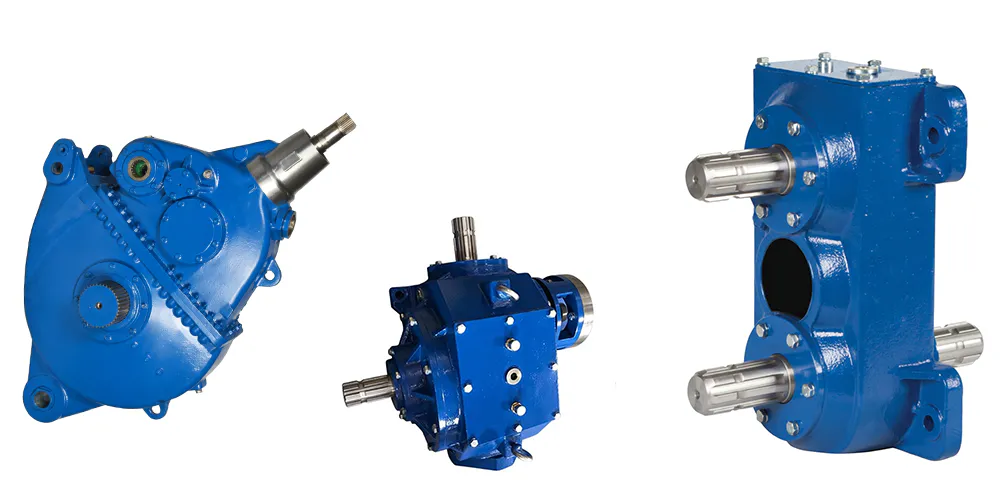
Round Baler Gearbox
The gearbox distributes PTO torque from the tractor to the pickup drive, dual-mode feeder, pressing roller drive train, and net wrap mechanism. At 132.5 kW maximum input, this round baler machine demands a gearbox rated for high and variable torque loads across different crop density conditions. Our matched round baler gearbox is specified to the EP-9YQ-2300's gear ratio and torque requirements, with oil-bath lubrication and sealed bearing sets for extended service intervals. Using a mismatched or undersized gearbox is the most common source of premature gearbox failure on mid-large round balers — matched supply from us removes this risk entirely.
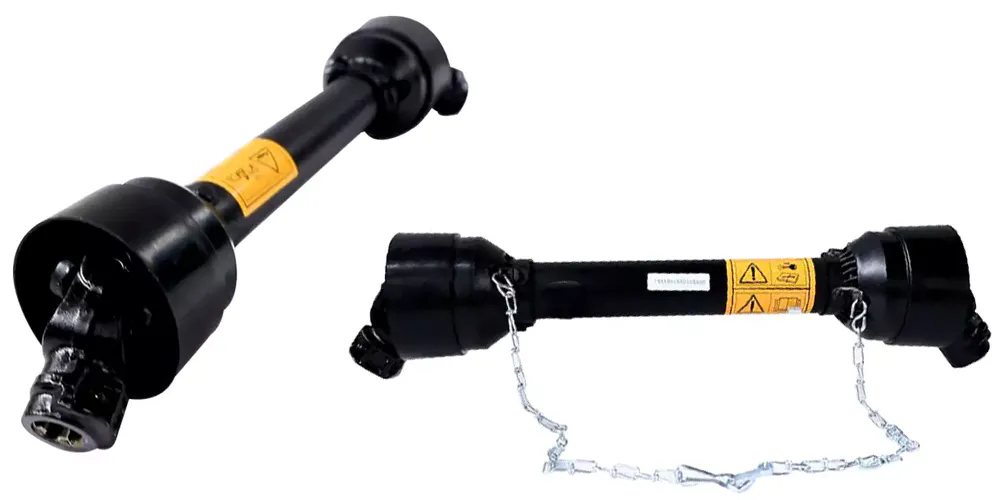
PTO Drive Shaft
The PTO shaft transfers power between tractor output and baler input while accommodating the angular variation as the tractor turns and undulates across field terrain. At up to 132.5 kW input, an undersized or mismatched shaft presents a genuine safety and reliability risk — PTO shaft failure under high torque load is a known cause of serious operator injury and costly drivetrain damage on large round balers.
9. About Us - Round Baler Manufacturer
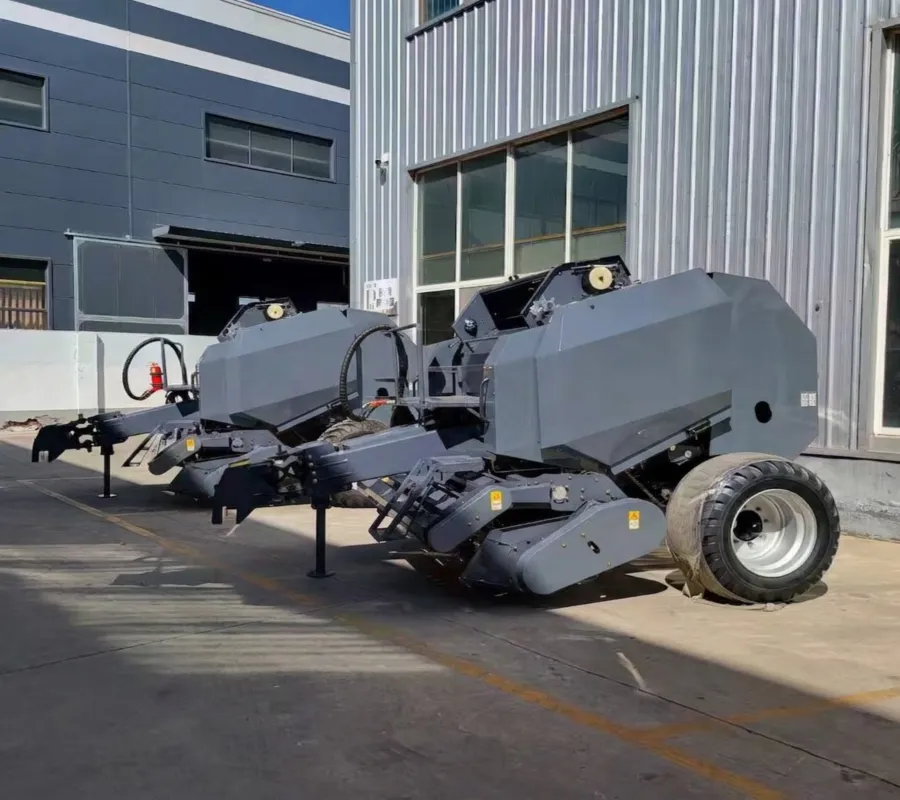
We design and manufacture agricultural baling equipment across a range covering mini round balers, mid-capacity models like the EP-9YQ-2300, and large high-capacity units for commercial-scale operations. Our product development approach is grounded in field experience — our engineers and technical team maintain direct knowledge of the operational realities of baling in diverse crop and terrain environments, from Korean rice paddies to Australian wheat belts and South American corn country.
Every machine leaving our facility goes through a defined multi-stage quality process: incoming material inspection, in-process sub-assembly verification, mechanical function testing on the completed unit, and pre-shipment inspection against the buyer's order specifications. We do not release equipment that has not completed this sequence regardless of production schedule pressure. This quality discipline is the foundation of our export customer retention rate and the low warranty claim rate we maintain across our international customer base.
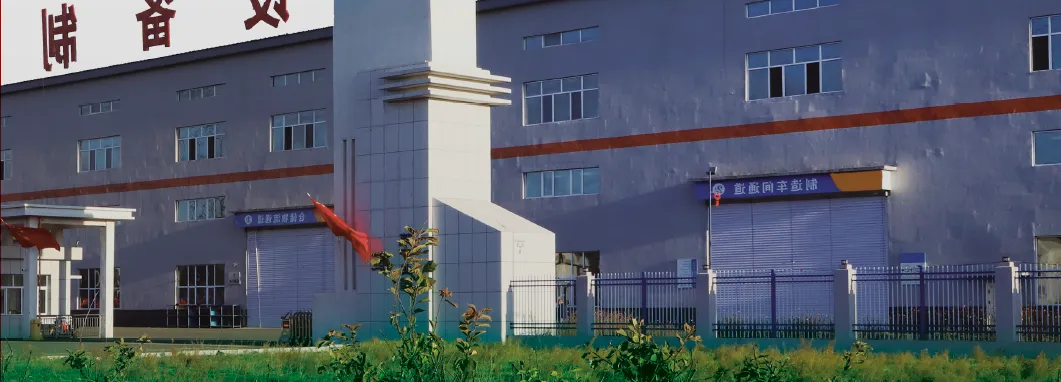
WorkShop


Frequently Asked Questions
Q1. What is a round baler, and how does it differ from a square baler for mid-size farm operations in South Korea?
A empacadora redonda produces cylindrical bales designed for mechanical handling — moved by tractor buckets, round bale spikes, or bale trailers. It is well suited to large-volume operations where manual bale handling is impractical and outdoor field storage is acceptable. A square baler produces rectangular bales that can be handled manually and stored efficiently in stacked barn configurations. For mid-size South Korean farms managing paddy and upland field rotations with limited labor, a round hay baler reduces the per-tonne labor input for post-harvest straw management significantly compared to square baling.
Q2. How many HP do you need to run the EP-9YQ-2300 round baler, and which tractor models are commonly compatible in Australia?
The EP-9YQ-2300 round baler requires a tractor with PTO output of 58.8–132.5 kW, equivalent to approximately 79–178 HP. In Australia, this covers a broad range of commonly used utility tractors including mid-range models from John Deere, New Holland, and Case IH in the 90–150 HP range. For large Australian grain farms running 150+ HP tractors, the machine operates comfortably well within the upper power limit. Operators should confirm the tractor's rated PTO output (not engine output) matches the 58.8–132.5 kW range before coupling.
Q3. How much does a round bale of hay weigh when produced by the EP-9YQ-2300, and how does that affect transport planning in Canada?
At Φ1000 mm diameter and 1250 mm chamber width, dry straw bales from the EP-9YQ-2300 round baler typically weigh 200–300 kg, with denser forage grass bales reaching 250–380 kg. For Canadian transport planning, a flatbed trailer typically carrying 20–24 bales per load in this weight class stays well within standard GVW limits for agricultural roads. This bale weight range is also compatible with standard 3-point-mounted bale spikes and front-loader buckets on 100 HP+ tractors commonly used on Canadian Prairie farms for bale stacking and ring feeder loading.
Q4. What is the purpose of a round baler, and why is it particularly suited to large rice straw baling programs in Southeast Asia?
The core purpose of a empacadora redonda is to convert windrowed crop residue or forage into compact, securely wrapped cylindrical bales that are easy to handle mechanically and store outdoors for extended periods. In Southeast Asia — Vietnam, Thailand, Indonesia — rice straw baling programs have grown rapidly as a response to both open burning restrictions and commercial demand from livestock, mushroom cultivation, and bio-energy sectors. The EP-9YQ-2300's wide 2300 mm pickup and compact overall dimensions make it well suited to the varying field sizes and access road constraints common in Southeast Asian paddy environments.
Q5. How many square bales are in a round bale from the EP-9YQ-2300, and how does this help with feed planning for sheep farms in the Netherlands?
A round bale from the EP-9YQ-2300 in the 250–300 kg range is roughly equivalent to 15–20 conventional small square bales at 15–18 kg each. For Dutch sheep and dairy farms planning winter feeding rations, this equivalency helps when sourcing hay from contractors who supply either bale format. The key operational advantage of round bales in Dutch livestock operations — where mechanized feeding is standard — is the significant reduction in handling operations per equivalent feed volume, which directly reduces daily feeding labor and fuel cost across the winter period.
Q6. What is round bale net wrap, and why is the automatic net wrapping system on this machine preferred over twine for outdoor stored bales?
Round bale net wrap is a plastic mesh material applied around the circumference of a finished hay round bale to hold its shape and protect the outer layers from weather. Compared to twine, net wrap covers the full bale surface rather than applying pressure only at discrete tie points — this reduces weather penetration into the outer bale layers by an estimated 30–40%, significantly extending outdoor storage life before quality degradation begins. The EP-9YQ-2300 round baler's automatic net wrapping system applies and cuts the net from the cab without operator intervention, keeping the baling cycle moving without interruption.
Q7. Which round baler is best suited for a mid-size contractor operation in Brazil that handles both corn stover and pasture grass?
For Brazilian contractors handling both corn stover (irregular, bulky material) and pasture grass (denser, finer material) across multiple client farms, the EP-9YQ-2300 round baler's dual-mode shift fork plus screw continuous feeding system is a significant practical advantage. The dual mechanism handles the material transition between crop types without requiring major settings changes, and the 58.8–132.5 kW power range accommodates the tractor variety typically encountered across a Brazilian contractor's client farm base. The compact 2750 mm transport width simplifies movement on rural roads between client farms.
Q8. What are hay nets for round bales, and are they compatible with the bales produced by the EP-9YQ-2300?
Hay nets for round bales are mesh covers placed over the exposed face of a round bale positioned in a ring feeder — reducing hay waste from livestock pulling material out and trampling it. These nets are compatible with round bales in the Φ1000 mm diameter range produced by the EP-9YQ-2300. Standard commercial round bale hay nets are available in diameter ranges from 800 mm to 1500 mm — the Φ1000 mm bale size sits within the coverage range of nets commonly stocked by agricultural supply retailers across South Korea, Australia, and Canada.
Ready to Source Your Next Round Baler?
Contact our export team for a technical compatibility check, documentation support, and a formal quotation on the EP-9YQ-2300 empacadora redonda. Matched gearbox and PTO shaft available as a complete one-stop package
Editor: PXY