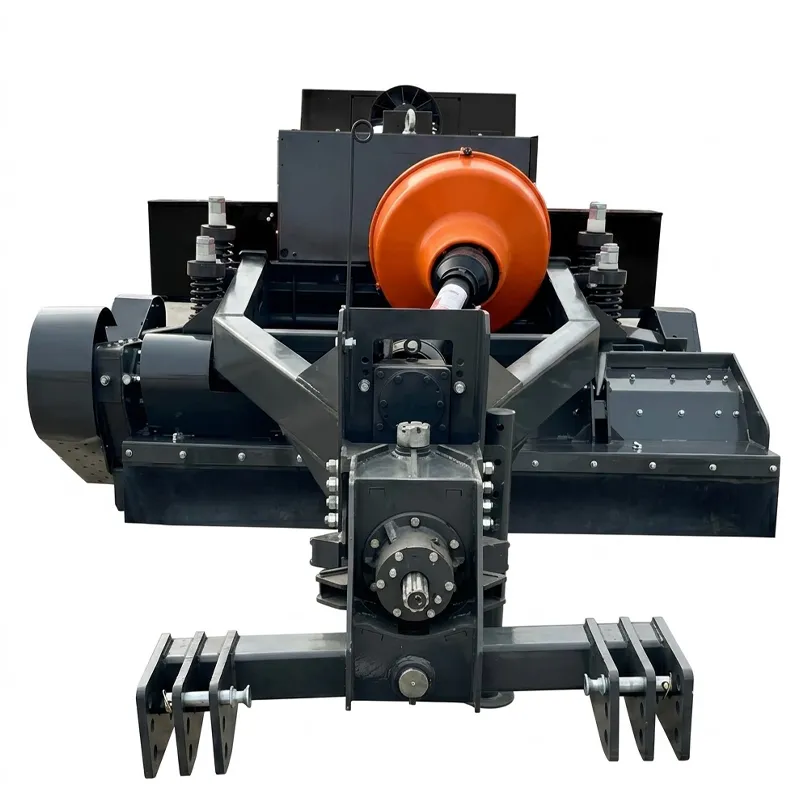
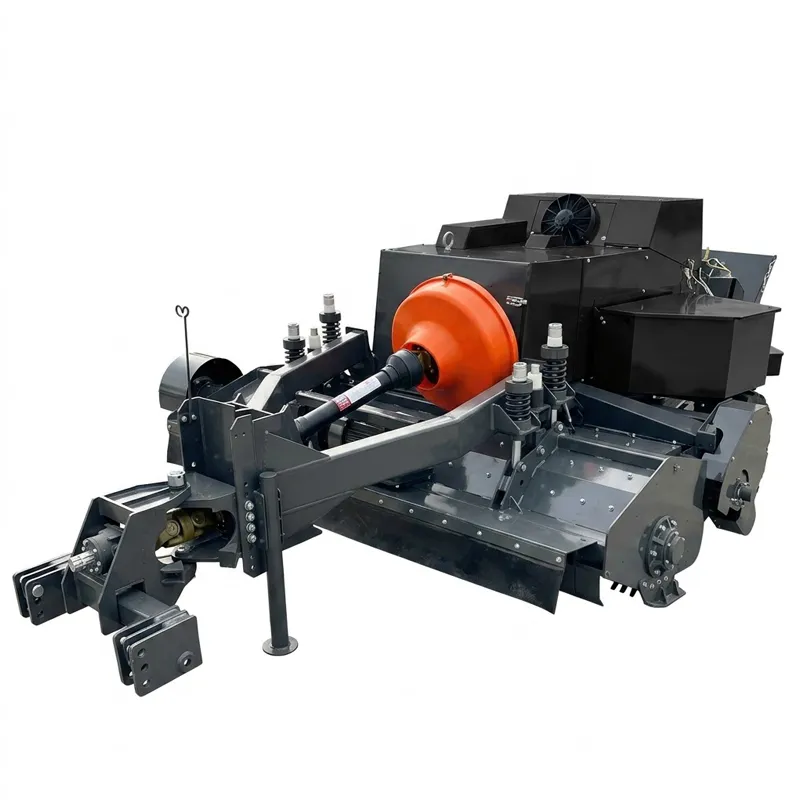
EP-9YF-2200S · 2200MM · ≥73.5 KW Square Hay Baler
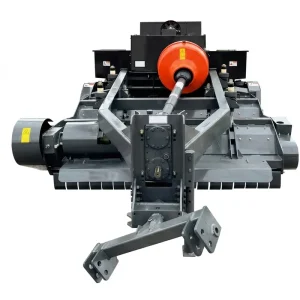
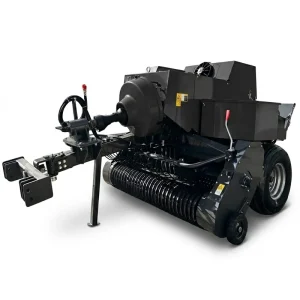
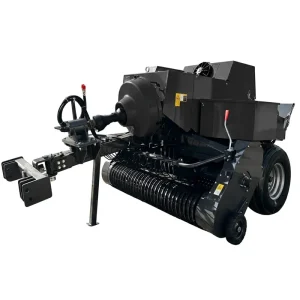
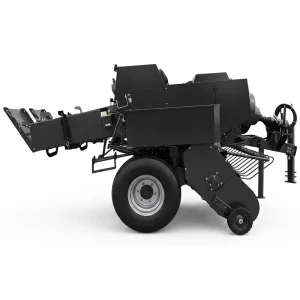
The EP-9YF-2200S Square Hay Baler is a towed-type machine engineered for high-efficiency harvesting of wheat straw, rice straw, cotton stalks, corn stalks, and various forage grasses. Featuring a 2200mm picking width and hammer-claw type pickup, it ensures thorough crop collection even in challenging field conditions. Equipped with a single-stage shredding mechanism and fork feeding system, it effectively crushes hard stalks like corn and sorghum while maintaining bale density and stability. The baler produces standardized 460×360mm bales using D-type knotters (2 units) with automatic rope baling, requiring ≥73.5 kW tractor power. Measuring 6240×2760×1700mm and weighing 2350kg, it’s ideal for large-scale operations aiming to reduce labor pressure during peak seasons and support straw recycling industries.
EP-9YF-2200S · 2200mm · ≥73.5 kW
Square Hay Baler
Trailed-type square hay baler with a single-shredding mechanism — designed for high-efficiency collection and baling of wheat straw, rice straw, cotton stalks, corn stover, alfalfa, and diverse forage grasses across Korea, Australia, Canada, and global markets. As a heavy-duty square hay baler built for demanding residue types, the EP-9YF-2200S combines field-proven shredding technology with the reliable knotting and compression systems that experienced operators expect from the best square hay baler in this power class.
1. EP-9YF-2200S Square Hay Baler — Technical Specifications
The table below presents the full parameter set for the EP-9YF-2200S square hay baler. Overall dimensions follow L×W×H convention and are stated in millimeters unless otherwise indicated.
| # | Artículo | Unidad | Especificación |
|---|---|---|---|
| 1 | Nombre del modelo | — | EP-9YF-2200S Square Hay Baler |
| 2 | Hitching Method | — | Towed-type |
| 3 | Picking Width | mm | 2200 |
| 4 | Feeding Inlet Width | mm | — |
| 5 | Picker Structure | — | Hammer-Claw Type |
| 6 | Feeder Structure | — | Fork Feeding Mechanism |
| 7 | Knotter Type | — | D-Type |
| 8 | Number of Knotters | pc | 2 |
| 9 | Compression Chamber Section Size (W×H) | mm | 460 × 360 |
| 10 | Método de empacado | — | Automatic Rope Baling |
| 11 | Matching Power Range | kW | ≥ 73.5 |
| 12 | Overall Dimension (L×W×H) | mm | 6240 × 2760 × 1700 |
| 13 | Machine Weight | kilogramo | 2350 |
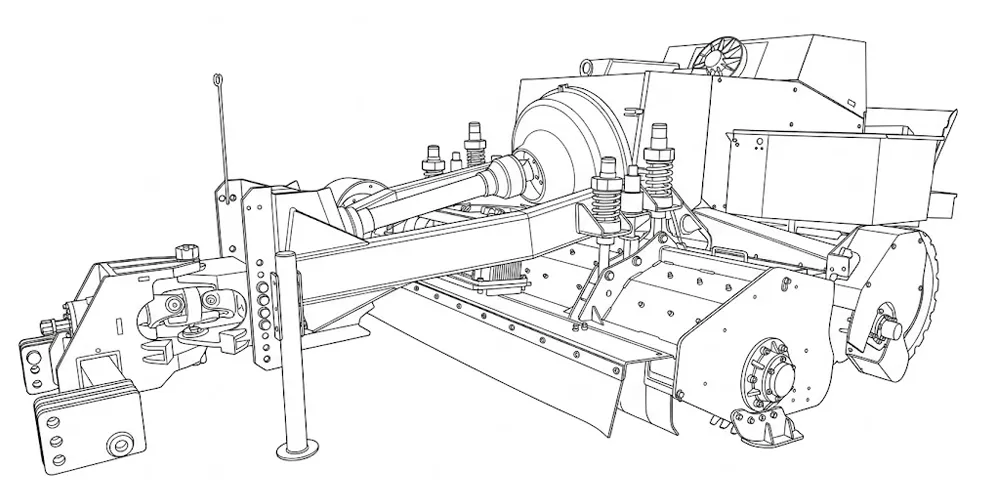
2. EP-9YF-2200S Square Hay Baler — Built for Demanding Crop Conditions
The EP-9YF-2200S is a trailed-type square hay baler engineered around a 2,200 mm picking width and a single-shredding mechanism that sets it apart from conventional pickup-only baling designs. This shredding unit — using a hammer-claw structure — processes incoming material before it enters the compression chamber, allowing the square hay baler to handle dense, tough, or tangled stalks such as corn stover and sorghum that would cause blockages in a standard-entry machine. For farms where the crop residue roster includes heavy materials alongside lighter grasses, this square hay baler architecture eliminates the need to operate separate shredding and baling passes — one trip across the field does both jobs.
The machine's matching power requirement is ≥73.5 kW, placing it firmly in the upper-mid range of tractor power compatibility. This is a deliberate design choice: the shredding mechanism adds mechanical load to the drivetrain above what a plain pickup square baler requires, and adequate power headroom prevents torque fade during dense-material runs. Tractors in the 100–120 HP bracket work well on this square hay baler under standard field conditions, and operators in regions with heavy, multi-stalk crops — like corn-growing zones in the Netherlands, Canada, and Colombia — may prefer a 120–140 HP unit for consistent throughput across long daily runs. Choosing the right tractor is as important as choosing the right square hay baler: under-powered operation is the most common cause of knotter misfires and plunger stalls in high-density material.
At 2,350 kg operating weight and an overall footprint of 6,240 × 2,760 × 1,700 mm (L×W×H), the EP-9YF-2200S square hay baler sits in the large-format working category. Yet despite its scale, the machine produces small square hay bales from a 460 × 360 mm compression chamber — the same practical bale size that fits standard farm wagons, barn storage systems, and mechanical feeders across South Korea, Australia, and the UK. The automatic rope baling system with a D-Type knotter and 2 knotters handles twine-tying on every bale cycle without operator input, so the driver stays focused on field progress rather than machine management. This square hay baler is particularly valued by contractors and large estates who need to move high volumes of crop residue in short harvest windows without sacrificing bale quality.
3. Five Key Advantages of the EP-9YF-2200S
① Integrated Shredding + Baling in One Pass
The built-in single-shredding mechanism uses a hammer-claw structure to efficiently crush and loosen hard stalks — corn, sorghum, cotton — before they enter the compression chamber. This dual-function design removes the need for a separate field shredder pass, cutting the number of machine operations per harvest cycle. Operations that currently run a shredder ahead of a conventional square baler machine can consolidate to a single pass with this square hay baler, reducing fuel and labor cost per tonne of material processed.
② Broad Crop Moisture Tolerance
The EP-9YF-2200S is rated to handle material across a wide moisture band: leguminous and gramineous forages at 17–23%, rice straw at 10–23%, and soil-moisture corn stalks at 12–25%. This range means the square hay baler can be deployed at different points in the drying cycle without waiting for ideal conditions, which is practically important in Korean autumn seasons and in tropical harvest windows where weather windows close quickly.
③ Handles Upright, Lodged, and Laid Crop
Unlike many square hay baler designs that require windrow preparation before baling, the EP-9YF-2200S can pick up and process upright-standing, lodged, or laid-flat corn, cotton, and wheat stalks directly from the field. This direct-from-field capability removes the swathing or windrowing step from the production chain on suitable terrain, reducing total harvesting cost for operations where crop residues are left standing or blown flat by weather rather than cut and laid in neat windrows.
④ High-Density, Storage-Ready Bales
The shredding pre-treatment increases the packing density of material entering the compression chamber. Shredded stalks interlock more uniformly than un-shredded long stems, producing denser square bales of hay and straw that hold their shape better during transport and storage. Higher density per bale means fewer bales per tonne, reducing the number of trips needed to move material from field to barn — a practical efficiency gain on large operations in Australia, Canada, and Korea. For buyers evaluating how many square bales of hay per acre they can realistically expect, the higher bale density from shredded material often means that each bale contains more dry matter, so fewer bales cover the same tonnage.
⑤ Flat-Ground and Paddy Field Suitability
The machine is rated for operation on both paddy terrain and dry field conditions, provided ground slope stays within 8 degrees and surfaces are free of large rocks or hard debris. This range of terrain tolerance makes this square hay baler a practical choice for diversified crop systems — rice paddy straw recovery in the wet season and grain field residue baling in the dry season — without mechanical reconfiguration between jobs.
4. How Does the EP-9YF-2200S Square Hay Baler Work?
The EP-9YF-2200S operates differently from a conventional pickup-only square hay baler because of the shredding stage that precedes the compression cycle. As the tractor moves forward across a field, the 2,200 mm hammer-claw pickup engages the crop material — whether it is lying in a windrow, partially upright, or scattered flat. The hammer-claw structure applies mechanical impact to the incoming stalks, crushing and loosening the fibrous structure before the material passes rearward into the feed channel. This shredding action is what enables the square hay baler to handle hard, thick-walled crop types like corn stover and cotton stalks that resist compression in their un-processed state — making it far more versatile than a standard-pickup square hay baler on mixed-residue operations.
From the shredding zone, the fork feeding mechanism takes the pre-processed material and meters it in controlled charges upward into the compression chamber. A reciprocating plunger — driven through the square baler gearbox from the tractor's PTO — compresses each incoming charge against the growing bale body. The progressive compression of shredded material builds a denser, more interlocked bale structure than raw-stalk compression achieves. When the bale body reaches the operator-set length, the D-Type knotter system fires: two knotters simultaneously encircle the bale with twine strands, tie and cut, and the completed bale advances toward the ejection opening. This automatic knotting cycle is one of the defining features of any quality square hay baler — consistent, no-miss tying across all crop types is the difference between clean field operation and costly stoppages to re-tie loose bales.
Bales exit this square hay baler continuously as forward travel continues — there is no pause-and-wrap cycle as found in round baler designs. This continuous output means that operators working on large fields with heavy straw or corn stalk volumes can maintain consistent field speed without machine idle time between bale ejections. Understanding the difference between round and square hay bales matters here: the rectangular format allows the square hay baler to work non-stop while a round baler must halt to wrap and eject, making the EP-9YF-2200S significantly more productive per field hour on large acreages. The operational slope limit of 8 degrees keeps the machine stable on gently undulating terrain while excluding steep-gradient work that would compromise pickup uniformity and bale density consistency. Total ground contact is managed by the machine's wheel configuration, distributing the 2,350 kg operating weight appropriately across field surfaces from dry paddock ground to post-harvest paddy soil.
5. Square Hay Baler — Materials & Structural Engineering
The primary frame of the EP-9YF-2200S square hay baler is fabricated from high-tensile structural steel sections, welded under controlled process conditions and then surface-treated through shot-blasting and agricultural enamel coating. The added mechanical demands of the shredding stage — compared to a plain pickup design — require that main structural members carry higher cyclic loads, so frame cross-sections are sized to handle this elevated stress profile without fatigue cracking over multiple seasons. Weld joint inspection is part of the standard manufacturing process for each square hay baler unit before it leaves production.
The hammer-claw shredding components are manufactured from wear-resistant alloy steel with a hardness profile selected to resist the abrasive impact of striking corn stalks and cotton stems at operating speed. Individual hammer elements are replaceable as service items, which is important for a square hay baler that processes abrasive material in volume — replacing worn hammers on schedule restores pickup efficiency and reduces the load transfer to downstream components. The compression chamber interior is lined with hardened surface material at contact zones to withstand the frictional loads from compressing shredded crop over extended operating hours.
The knotter assembly components follow the precision-machined alloy steel standard used across our baler range, with dimensional tolerances held to maintain consistent knot geometry through a full operating season. External hardware is Grade 8.8 metric specification throughout, conforming to the fastener standards expected in Germany, South Korea, Australia, and Canada. Spring and pivot components in the pickup and feed train use heat-treated steel selected for its fatigue resistance under the repetitive loading cycle of baling operation. All grease points use standardized zerks accessible with common farm grease guns, and the lubrication schedule is designed around 50-hour service intervals for routine maintenance. Keeping this square hay baler correctly lubricated on schedule is the single most important preventive-maintenance habit for maximizing service life across multiple harvest seasons.
6. Square Hay Baler Application Scenarios
The EP-9YF-2200S square hay baler addresses a specific set of use cases where conventional baling equipment falls short. Its combination of shredding, wide pickup, and high power compatibility makes this square hay baler the appropriate tool in the following production contexts.
🌽 Corn Stover Recovery — Large Arable Farms
Corn stover is one of the most abundant agricultural residues globally, yet its stiff, high-moisture stalks make it difficult for standard square balers to handle cleanly. The EP-9YF-2200S's shredding mechanism addresses this directly — the hammer-claw pre-processes corn stalks to 12–25% moisture content before compression, yielding dense, well-formed square bales of hay and stover that are viable for biogas feed, mushroom substrate, cattle feed supplement, and field-applied mulch. This makes the square hay baler especially relevant to corn-heavy operations in Canada, Colombia, and the Netherlands.
🌾 Rice & Wheat Straw — Korean Paddy and Upland Fields
South Korea's agricultural landscape is split between paddy-based rice cultivation and upland grain farming. This square hay baler handles rice straw at 10–23% moisture — typical of late-season Korean paddy conditions after grain harvest — and wheat straw at 17–23%, covering the upland segment as well. The paddy and dry-field terrain suitability rating (slope ≤8°) aligns with the typical topographic profile of rice-growing provinces in Chungcheongnam and Jeolla, making this a practical all-season tool for Korean crop residue management programs targeting burning reduction.
🌿 Alfalfa & Forage Grass — Livestock Feed Production
Fresh and dry forage grasses — alfalfa, sorghum, mixed hay — at 17–23% moisture bale cleanly through the EP-9YF-2200S's shredding and compression system. The shredded material compresses to a higher density than uncut long-stem hay, which reduces storage volume per tonne and extends the useful life of covered hay storage structures. Livestock operations in Australia, New Zealand, and Brazil producing their own hay supply will find this square hay baler produces bales in the right format for common automated feeding systems.
🌱 Cotton Stalk Processing — Subtropical Farm Zones
Cotton stalks are notoriously difficult to bale because of their hard woody structure and irregular branching. The hammer-claw mechanism on this machine processes cotton stalk at field moisture levels, shredding it into a more uniform, compressible form. Baled cotton stalk finds use as fuel for biomass boilers, as a coarse bedding material, and as an organic matter return material when composted. Cotton-producing regions in Brazil, Colombia, and parts of the Middle East represent specific markets where this square hay baler's shredding-baling combination fills a genuine equipment gap.
♻️ Straw Recycling Industries & Animal Husbandry
The EP-9YF-2200S is specifically noted as essential equipment for both animal husbandry operations and straw recycling industries. Livestock bedding, feed supplement preparation, bioenergy feedstock supply, and organized straw commodity trading all depend on a reliable, high-throughput baling system. This square hay baler's multi-crop capability, high bale density output, and field-to-bale processing efficiency make it a production asset across these sectors wherever large volumes of raw crop residue need to be converted into a manageable baled product for storage, transport, or commercial sale.
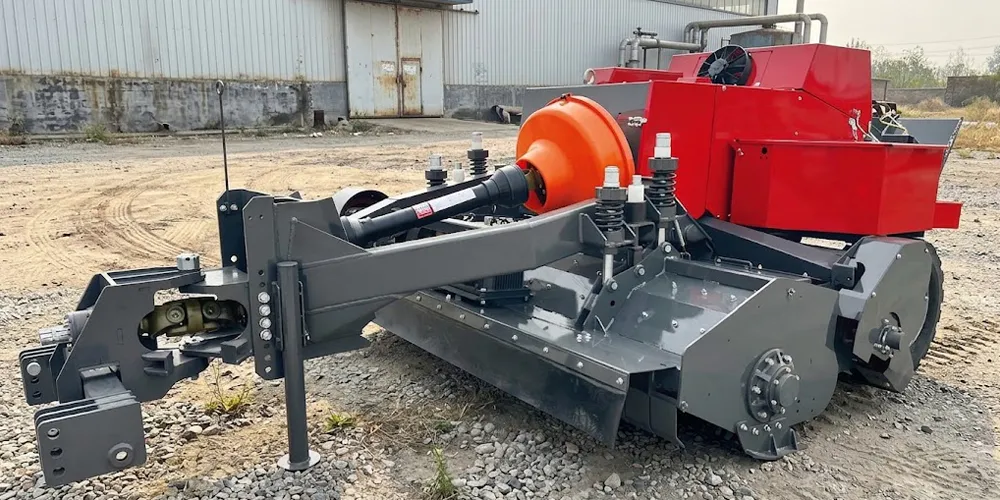
7. Regulatory Compliance by Market
International buyers of agricultural baling equipment must navigate market-specific safety, import, and operational regulations. The EP-9YF-2200S square hay baler is designed with the principal export markets in mind; the following overview summarizes the most relevant frameworks for this square hay baler and machines of comparable specification.
Corea del Sur
Agricultural machinery entering Korea is regulated under the Agricultural Mechanization Promotion Act. The Rural Development Administration (RDA) administers performance testing and safety standards for imported farm equipment. Shredder-equipped balers carrying the machine's level of PTO demand (≥73.5 kW) must have all rotating shafts and PTO connections guarded in compliance with KS-standard shielding requirements. Buyers should confirm tractor PTO compatibility and confirm RDA clearance status with the importer prior to field operation. Certification requirements vary by machine type; the shredding mechanism on this square hay baler may place it in a separate equipment category from a plain-pickup model for RDA evaluation purposes.
unión Europea
The EU Machinery Directive 2006/42/EC (transitioning to Machinery Regulation (EU) 2023/1230) requires CE marking and a Declaration of Conformity for machinery placed on the EU market. Agricultural balers with integrated shredding mechanisms are additionally subject to EN ISO 4254-7 (safety requirements for balers) and EN ISO 5673 (PTO driveline shielding). In Germany and the Netherlands — key markets for this square hay baler's corn stover and straw applications — Berufsgenossenschaft (BG) agricultural safety guidelines may also apply to the machine's operation on commercial farms.
Australia
The Work Health and Safety (WHS) Act and applicable state-level farm safety codes govern agricultural machinery in Australia. Machines with hammer-claw shredding mechanisms require additional guarding considerations beyond a plain pickup baler, as the shredding zone represents an additional access hazard that must be guarded in accordance with AS/NZS 4024 machinery safety standards. This square hay baler's 2,760 mm transport width falls within South Australian and Victorian agricultural vehicle width limits but should be confirmed against local regulations before road transport.
Canadá
Canadian import and operation of agricultural machinery is governed by the Canada Agricultural Products Act and provincial occupational health and safety legislation. ASABE standard S361.4 provides the recognized technical benchmark for square baler performance and safety in North America. The shredding mechanism on this machine represents an additional noise emission source; Canadian operators should check provincial noise exposure guidelines for enclosed-cab versus open-station tractor operation. Alberta and Saskatchewan's large-field corn-belt operations represent the clearest market fit for this model's shredding-baling capability.
Brazil & Colombia
INMETRO certification and ABNT technical standards apply in Brazil. Road transport of this machine between fields requires CONTRAN-compliant lighting, reflectors, and width markings when using public roads. In Colombia, ICONTEC standards govern implement safety and MADR (Ministry of Agriculture) guidelines apply to mechanized harvesting equipment. The shredding function provides an important advantage in Brazilian and Colombian cotton-growing zones where this square hay baler's stalk processing and baling in a single operation reduces overall harvest mechanization cost significantly.

8. Square Hay Baler — System-Compatible Components
The EP-9YF-2200S integrates into a complete baling system when paired with correctly specified drivetrain components. We supply both the square hay baler and the supporting driveline components, providing one source of supply and one point of technical accountability for the entire system. Every component listed below is designed and tested as part of the complete square hay baler drivetrain, not adapted from a generic parts catalogue.
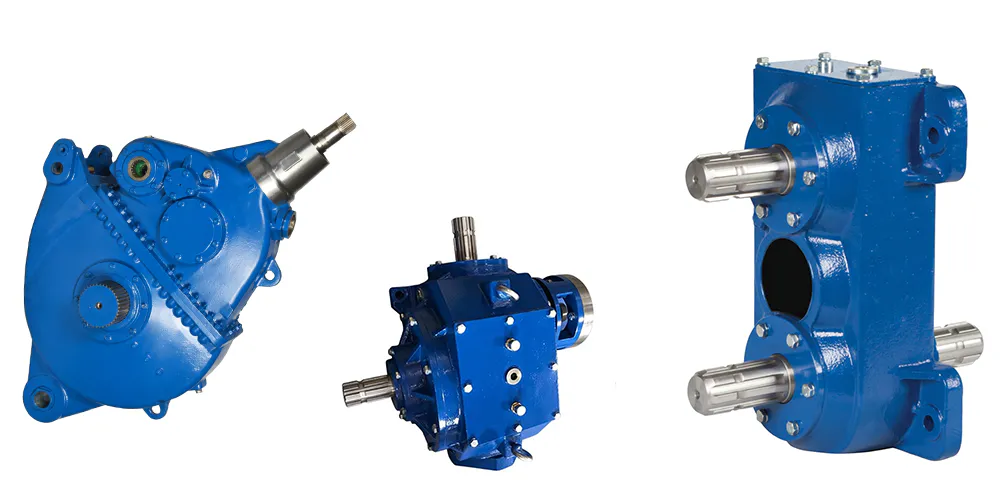
Square Baler Gearbox
Because the EP-9YF-2200S square hay baler carries both the shredding mechanism and the conventional plunger-and-knotter drive train, the gearbox handling PTO input must be rated for the combined mechanical load of both systems. Our matched square baler gearbox units are engineered to the torque and speed profile of this specific machine, eliminating the guesswork and mechanical risk of using an aftermarket gearbox not calibrated for this load demand. Gearbox oil specifications, servicing intervals, and mounting dimensions are coordinated with the machine's engineering drawings for a straightforward installation with no modification required.
PTO Drive Shaft
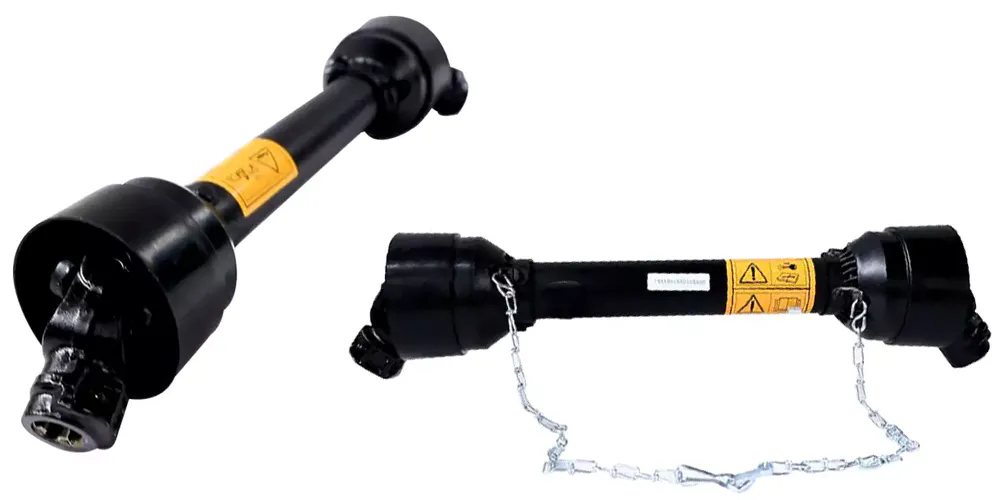
A ≥73.5 kW square hay baler places higher demands on its Eje de toma de fuerza than a lighter-duty baler. The shaft must be rated for the peak torque generated when the shredding mechanism engages dense corn stalks or wet cotton stover — conditions that produce momentary torque spikes well above steady-state operating levels. Our PTO shaft range for this machine includes shafts with overrunning clutch or friction-clutch protection devices, providing tractor transmission protection during these events. Shaft length is specified to the tractor PTO-to-baler input distance for the EP-9YF-2200S, and all shafts are supplied with full-coverage plastic guards compliant with EN ISO 5673-1 as required for EU and UK market operation.
9. About Us
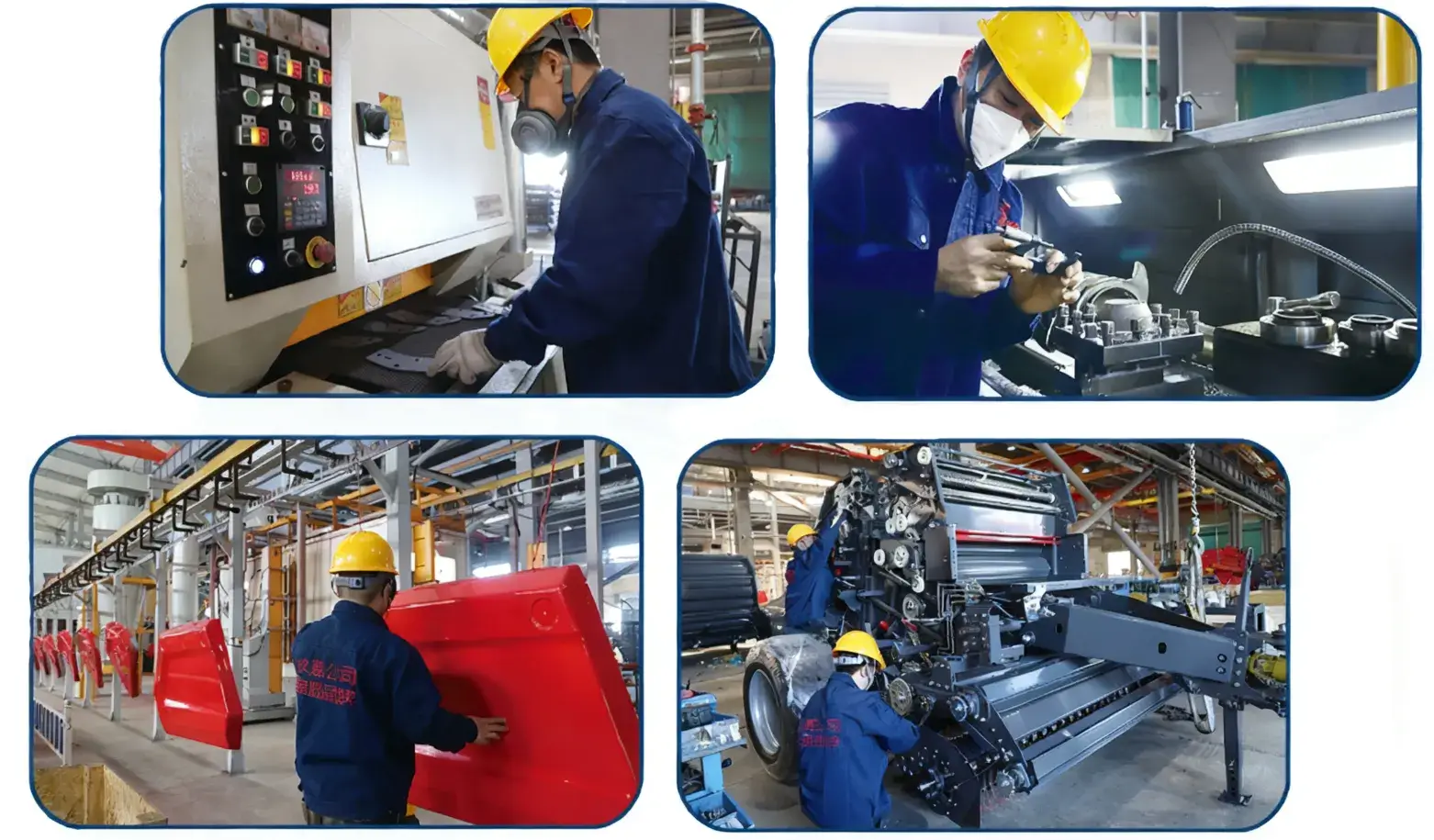
We specialize in the design, manufacture, and global export of agricultural baling equipment, covering the full spectrum from compact small square baler units for small-scale operations to heavy-duty square hay baler machines like the EP-9YF-2200S for commercial crop-residue processing. Our production focus on baling machinery means that every engineering decision — material selection, mechanism design, quality control protocol — is made with the specific demands of square hay baler operation in mind, not generalized across a wide product portfolio. Buyers who need the best square hay baler for tough-crop applications will find the EP-9YF-2200S was designed specifically for that role, not adapted from a standard light-duty design.
WorkShop


Square Hay Baler — Frequently Asked Questions
Q1. What makes the EP-9YF-2200S different from a standard square hay baler, and why does the shredding mechanism matter for Australian corn stover operations?
A standard square hay baler uses a pickup reel to lift windrow material and feeds it directly into the compression chamber without pre-processing. The EP-9YF-2200S square hay baler adds a hammer-claw shredding stage before compression, which breaks down hard, fibrous stalks — particularly corn stover and cotton stalk — into a more uniform, compressible form. For Australian corn operations where stover is left standing or blown flat after grain harvest, this shredding capability allows the square hay baler to handle direct-field pickup without a separate chopping pass, reducing total field operations and fuel cost per tonne of residue processed.
Q2. How many horsepower does the EP-9YF-2200S square baler require, and which tractor models are typically compatible in South Korean farms?
The EP-9YF-2200S square hay baler requires ≥73.5 kW at the PTO, which translates to approximately 100 horsepower minimum at the engine. In South Korea, this is compatible with mid-to-large field tractors from brands like LS Tractor, TYM, and Daedong in the 100–130 HP category. For heavy corn stover or wet-season paddy straw work, a 120–130 HP tractor is recommended to maintain consistent throughput. The machine's towed-type coupling works with standard lower-link three-point hitch and PTO arrangements on Korean field tractors.
Q3. How big are the square hay bales produced by the EP-9YF-2200S, and how do they stack in a standard Australian hay shed?
The compression chamber cross-section is 460 × 360 mm (W×H), producing small square hay bales in the conventional two-tie format. Bale length is adjustable. In a standard Australian hay shed with 2.4 m internal height, bales in this format typically stack 5–6 high when straw bales are dry, or 4–5 high for denser hay bales, depending on bale length. The uniformity of bales produced by this square hay baler means they stack more squarely than long-stem bales, which tend to have irregular profiles that can create unstable stacks at height.
Q4. What is the best square hay baler for a large-scale rice straw recycling operation in Korea's Jeolla Province, and where can I get a quote?
For large-scale rice straw recovery in Jeolla Province — where paddy fields are extensive and straw burning restrictions are tightly enforced — the EP-9YF-2200S square hay baler is a strong candidate. Its paddy-field terrain suitability, 10–23% moisture rice straw handling capability, and wide 2,200 mm pickup make it well-matched to the field and crop conditions typical in that region. To receive a formal quote with FOB or CIF pricing to Gwangyang or Mokpo port, submit your requirements through our product inquiry form and our export team will respond within one business day.
Q5. Do manufacturers still make square balers for commercial hay operations, or has round baling largely replaced them in the Netherlands and Germany?
Square balers remain in active production and strong commercial demand. The square hay baler continues to be the preferred format wherever covered storage and hand-handling are part of the daily operation. In the Netherlands and Germany, the square baler market is split between small square (two-string) machines serving equestrian supply and direct-to-consumer hay markets, and large square balers handling bulk straw for livestock bedding and biomass. Round baling has grown substantially in both countries for silage production, but the rectangular format's storage and handling advantages in covered facilities ensure continued market relevance for square baling across European farm sectors.
Q6. What is the difference between round and square hay bales for a Colombian livestock operation evaluating baler options for alfalfa production?
For a Colombian alfalfa operation with covered storage and mechanical feeding systems, a square hay baler producing square bales of hay is generally more practical. They stack in uniform layers in storage sheds without wasted space between bale profiles, and they integrate directly with conveyor and grab-fork feeding equipment designed for rectangular bales. Round bales are better suited to outdoor paddock storage and to operations where a front-loader tractor moves bales to a ring feeder — if your storage and feeding setup is shed-based and uses mechanical handling, square baling is the more operationally efficient format.
Q7. How much does a square bale of hay weigh when the EP-9YF-2200S is used on alfalfa at standard moisture content in Canada?
On alfalfa at 17–20% moisture content — within this square hay baler's rated leguminous forage range — individual bales from the 460 × 360 mm chamber typically weigh 24–35 kg at standard length settings. The shredded material compresses to slightly higher density than long-stem alfalfa, so bale weights from this machine tend toward the upper end of the range for equivalent bale lengths compared to a plain-pickup machine. Canadian operators using mechanized wagons rated for conventional small-square bale weights will have no loading concerns at this weight range.
Q8. Which square baler supplier can provide both the baler and the matching gearbox as a complete system with single-source technical support?
We supply the EP-9YF-2200S square hay baler together with the compatible square baler gearbox and PTO shaft as a complete drivetrain package. This single-source supply means that the mechanical specifications of the gearbox, shaft, and baler are coordinated to the same engineering design, and any technical question about the system has a single contact point rather than requiring the buyer to coordinate between separate suppliers. For global export orders, we provide the complete commercial documentation package covering machine, gearbox, and shaft as a combined consignment.
Q9. How many square bales of hay per acre can be expected from the EP-9YF-2200S on a wheat straw field in Western Australia?
Buyers asking how many square bales of hay per acre this machine produces will find the answer varies with crop and field conditions. For wheat straw in Western Australia at typical yields of 1.5–3 tonnes per hectare, and with dry straw bale weights averaging 18–22 kg per bale, you can expect approximately 68–167 bales per hectare (28–68 bales per acre) from this square hay baler. This range varies considerably with regional yield, straw length, and field speed settings. The 2,200 mm pickup width reduces the number of passes needed on wide-drilled crop rows, and direct-field pickup without windrowing — enabled by the shredding mechanism — can improve effective field hours per day compared to machines requiring pre-swathed windrows.
Editor: PXY