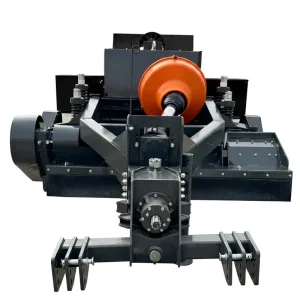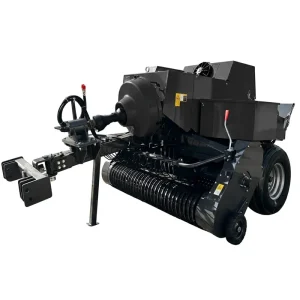
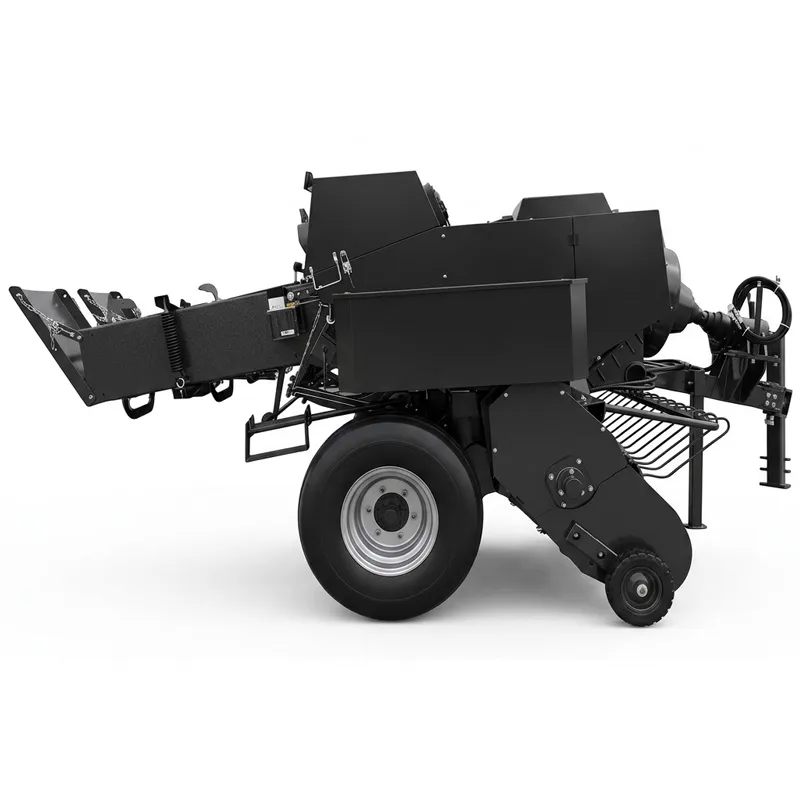
EP-9YFS-2.2 Dual-Chamber Square Hay Baler
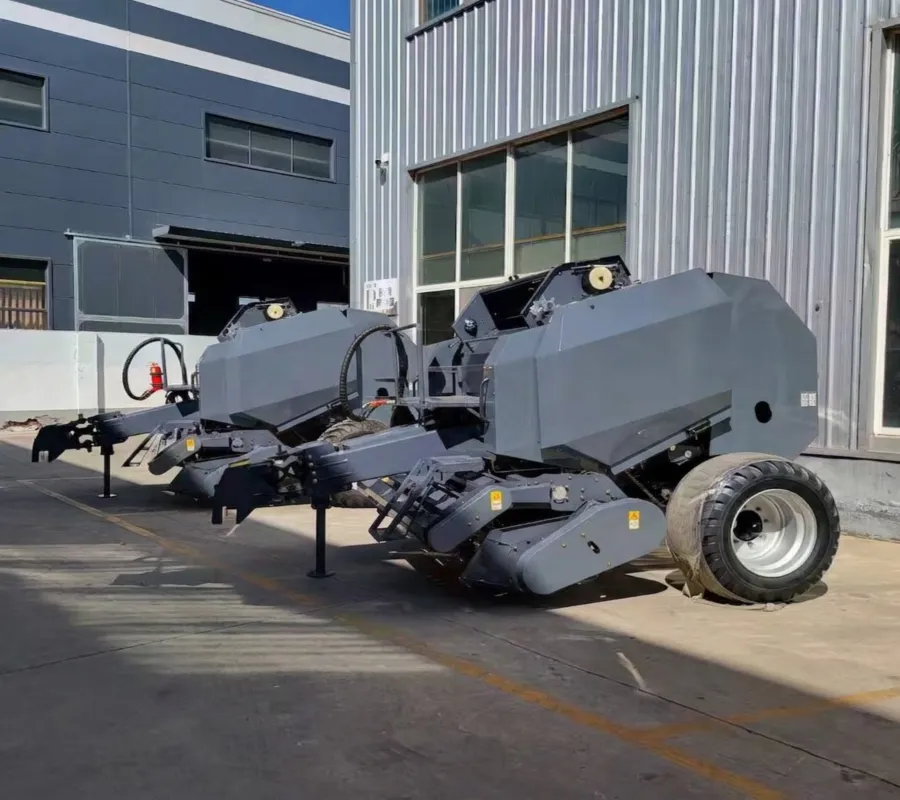
The EP-9YFS-2.2 is a high-efficiency trailed dual-chamber square hay baler designed for robust agricultural performance. Featuring a 2200mm picking width and spring tooth pickup structure, it ensures effective crop collection. The machine utilizes a fork feeding mechanism and D-type knotters (2×2 configuration) to produce dense bales with a cross-section of 460×360mm via automatic rope baling. Requiring a matching power of ≥51.5 kW, this durable unit measures 5600×2780×1790mm and weighs 3115 kg, making it an ideal solution for large-scale forage harvesting operations requiring reliable output and ease of transport.
EP-9YFS-2.2 · Dual-Chamber
Square Hay Baler
High-efficiency dual-chamber baling — engineered for large-scale hay operations across Korea, Australia, Europe, and beyond.
1. Technical Specifications of Square Hay Baler
The following parameter table gives a full technical overview of the EP-9YFS-2.2. All dimensions are stated in the L×W×H convention where applicable, with linear values in millimeters unless otherwise noted.
| # | Item | Unit | Specification |
|---|---|---|---|
| 1 | Model Name | — | EP-9YFS-2.2 Dual-Chamber Square Hay Baler |
| 2 | Hitching Method | — | Trailed |
| 3 | Picking Width | mm | 2200 |
| 4 | Feeding Inlet Width | mm | — |
| 5 | Picker Structure | — | Spring Tooth Type |
| 6 | Feeder Structure | — | Fork Feeding Mechanism |
| 7 | Knotter Type | — | D-Type |
| 8 | Number of Knotters | pc | 2 × 2 |
| 9 | Compression Chamber Section Size (W×H) | mm | 460 × 360 × 2 |
| 10 | Baling Method | — | Automatic Rope Baling |
| 11 | Matching Power Range | kW | ≥ 51.5 |
| 12 | Overall Dimension (L×W×H) | mm | 5600 × 2780 × 1790 |
| 13 | Machine Weight | kg | 3115 |
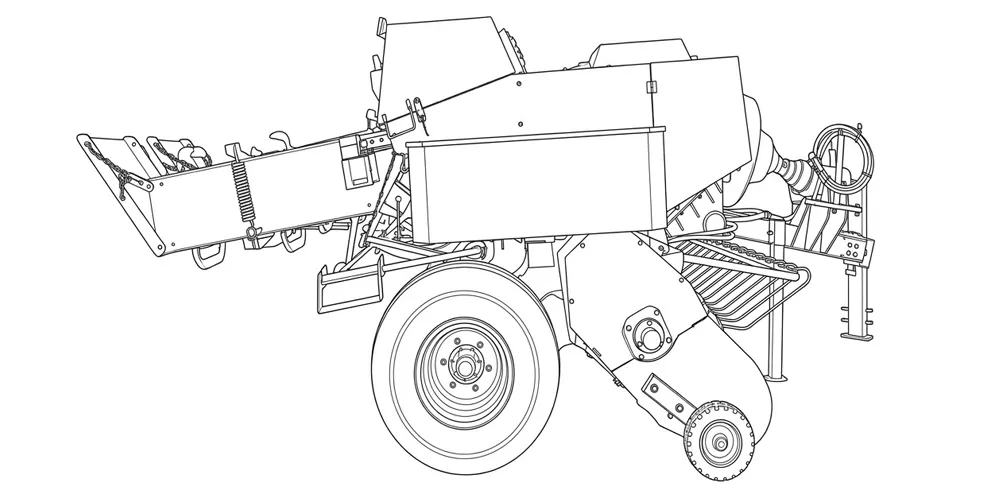
2. EP-9YFS-2.2 Dual-Chamber Square Hay Baler — Redefining Field Efficiency
The EP-9YFS-2.2 is a trailed-type square hay baler built around a dual-chamber compression design that allows two bales to be formed simultaneously within a single pass across the field. Unlike a conventional small square hay baler or a single-chamber machine, this model delivers a picking width of 2,200 mm, capturing more windrow material per meter traveled and significantly reducing the number of passes required to clear a field. For operations where time, fuel, and labor costs all factor into the bottom line, this architecture is a genuine game-changer.
Designed with compatibility in mind, the EP-9YFS-2.2 connects via standard three-point PTO drive and requires a matching power range of ≥51.5 kW, making it suitable for most mid-to-large category tractors already in use on commercial farms. The spring-tooth picker structure handles a wide variety of crop types — alfalfa, ryegrass, oat straw, wheat straw, and mixed hays — without sacrificing pickup uniformity. From paddock-scale farms in South Korea and Australia to large grain belt operations across Canada and Brazil, this machine fits where high-volume square baling is a seasonal necessity.
At 3,115 kg operating weight and overall dimensions of 5,600 × 2,780 × 1,790 mm (L×W×H), the EP-9YFS-2.2 is purpose-built for demanding environments. Each compression chamber carries a cross-section of 460 × 360 mm, producing well-shaped small square hay bales that stack uniformly on wagons and in storage sheds. Automatic rope baling with a D-Type knotter system and a 2×2 knotter count ensures that every bale exits the chamber securely tied — no manual intervention needed between cycles.
3. Five Key Advantages of the EP-9YFS-2.2 Square Hay Baler
① Dual-Chamber Output
Two independent compression chambers work simultaneously, effectively doubling throughput per field pass compared to a single-chamber square baler. Operations that once required two machines or two full days can now complete in a single extended shift, cutting seasonal labor requirements substantially.
② 2,200 mm Wide Pickup
The generous 2,200 mm picking width captures wide windrows in a single sweep, reducing skip-overs and re-passes on wide swath crops. This advantage is especially valuable for wheat straw and alfalfa harvesting in open-field production systems found across South Korea's Gyeonggi and Chungnam provinces, as well as Australia's Murray–Darling basin.
③ Automatic Rope Knotting
The D-Type knotter with a 2×2 configuration performs automatic rope baling on every bale cycle without operator input. Consistent knot placement means bales hold their shape during transport and stack loading, and there is no need to stop the machine to correct loose ties — a common frustration with older-generation square bale hay baler designs.
④ Fork Feeding Mechanism
The fork-style feeder delivers a smoother, more uniform crop flow into the compression chamber than auger-type systems, reducing the risk of blockages during high-throughput runs. This design performs reliably on damp or heavy material — conditions that challenge many mini square baler and light-duty machines in wet autumn harvests.
⑤ Broad Tractor Compatibility
With a matching power requirement of ≥51.5 kW, the EP-9YFS-2.2 Square Hay Baler integrates with a wide range of mid-to-large tractors already on-farm. Operators do not need to invest in a dedicated tractor — simply connect via the standard PTO drive shaft and go. This makes the machine a practical addition to existing fleets without a major capital outlay.
4. How the EP-9YFS-2.2 Square Hay Baler Works
The operational cycle of this square hay baler begins the moment the tractor moves forward across a dried windrow. The spring-tooth pickup reel — spanning a full 2,200 mm — lifts crop material from the ground and transfers it rearward into the feed channel. From there, the fork feeding mechanism segments the flow, metering consistent crop portions into each of the two compression chambers in alternating strokes.
Inside each chamber, a reciprocating plunger compresses the incoming crop charge against the previously formed portion of the bale. As the bale grows to the pre-set length, sensors or mechanical triggers activate the D-Type knotting system. The 2×2 knotter units simultaneously tie two strands of baler twine around the bale cross-section — one in each of the two chambers — before the completed bale is ejected from the rear chute onto the field or into a trailing accumulator wagon.
Because both chambers operate in a staggered compression cycle, the plunger load on the driveline is distributed more evenly than in a single-chamber design. This reduces peak torque demand on the tractor's PTO shaft, contributing to lower fuel consumption per bale and extended service intervals for driveline components. The entire cycle repeats continuously at field travel speed, with no manual operator steps required between bale ejections. The result is a productive, low-fatigue baling experience particularly well suited to large hay fields requiring high bale counts per day.
5. Materials & Construction Quality of Square Hay Baler
The structural frame of the EP-9YFS-2.2 is fabricated from high-tensile low-alloy steel sections, welded under controlled conditions and then shot-blasted prior to powder coating. This construction approach is consistent with the requirements found in European agricultural machinery standards (EN ISO 4254-7) and the durability expectations set out under Australian standard AS 2671 for agricultural machinery frames subject to cyclic loading.
The compression chamber walls and plunger faces are hardened to withstand the repetitive impact loads generated during each bale formation cycle. Wear-resistant liners are fitted at high-contact points along the channel walls, allowing operators to replace individual wear surfaces rather than the entire chamber structure — an important cost-efficiency consideration for machines working in abrasive conditions such as sandy-soil hay ground.
The spring-tooth pickup tines are made from spring steel with a controlled heat treatment profile, giving them the flex-and-return properties needed to handle uneven windrows without breaking or permanently deforming. Replacement tines are available as individual parts, which is a practical maintenance advantage over cast-roller or belt-style pickup designs. All external fasteners use Grade 8.8 or higher metric hardware throughout, and the knotter assembly components are precision-machined from alloy steel to maintain consistent tie geometry across the full service life of the machine.
6. Application Scenarios of Square Hay Baler
The EP-9YFS-2.2 is engineered to deliver consistent baling performance across a broad range of agricultural settings. Below are the primary contexts where this large square baler creates the most measurable operational value.
🌾 Alfalfa & Timothy Hay Farms
Large alfalfa farms in Korea's Jeolla region and timothy hay operations in New Zealand rely on rapid multi-cut harvests. The dual-chamber configuration allows fields to be cleared between weather windows without sacrificing bale quality. Uniform small square hay bales from this machine are ideal for direct livestock feeding without additional processing.
🌿 Wheat & Barley Straw Recovery
After grain harvest, straw residue represents a valuable secondary product for bedding, mushroom substrate, or bioenergy feedstock. The EP-9YFS-2.2 Square Hay Baler's wide pickup and high-throughput design makes straw recovery economically viable on large arable farms in the Netherlands, Germany, and the Canadian Prairies, where straw volumes per field run are substantial.
🐄 Livestock Feed Supply Chains
Dairy, beef, and sheep operations depend on a consistent and well-shaped bale for mechanized feeding systems. The 460 × 360 mm chamber cross-section produces square bales of hay that fit standard auto-feeders and bale-handling grippers, reducing manual labor in the feed yard. Supply chains serving large feedlot operations in Colombia and Brazil benefit from the machine's high daily output.
🌱 Custom Baling & Contracting
Agricultural contractors who offer baling services to multiple clients benefit most from the EP-9YFS-2.2 Square Hay Baler's dual-output design, as revenue per operating hour is directly proportional to bale count. In markets such as South Korea, Australia, and the UK — where contract baling is an established business model — this machine offers a competitive edge on a cost-per-bale basis versus single-chamber alternatives.
🌾 Rice Straw & Grass Management
In East Asian markets — particularly South Korea and parts of Southeast Asia — rice straw baling after paddy harvest is a growing practice driven by burning restrictions and organic material demand. The spring-tooth pickup handles the fine, short-stemmed character of rice straw without the plugging issues that can affect heavier-gauge pickup rollers, making this machine well adapted for a crop type that many conventional balers struggle with.
7. Regulatory Compliance & Market Standards
Agricultural machinery sold into international markets must meet a range of safety, emissions, and mechanical standards that vary by region. The EP-9YFS-2.2 Square Hay Baler has been designed with these requirements in mind to facilitate smooth import clearance and operational compliance across its target markets.
South Korea (한국)
Agricultural machinery imported into Korea must comply with the Agricultural Mechanization Promotion Act and relevant KS (Korean Standard) specifications for tractor-mounted and trailed implements. Baling equipment must also meet safety guard and PTO shielding requirements enforced by the Rural Development Administration (RDA). Buyers are encouraged to verify that their tractor's PTO output meets the ≥51.5 kW requirement before purchasing.
European Union
Machinery sold within the EU must comply with the EU Machinery Directive 2006/42/EC (currently undergoing transition to Machinery Regulation (EU) 2023/1230). This requires a Declaration of Conformity and CE marking. Additionally, agricultural tractors and implements connected via PTO must comply with EN ISO 4254-7 (agricultural machinery safety standards for balers). Operators in the Netherlands, Germany, and France should verify CE documentation before import.
Australia & New Zealand
In Australia, agricultural equipment must meet the Work Health and Safety (WHS) Act and relevant state-level farm safety regulations. PTO guard standards under AS 2671 apply to trailed implements. New Zealand enforces similar requirements under the Health and Safety at Work Act 2015 and WorkSafe NZ guidelines. Both markets require clearly marked emergency stops and PTO shaft shielding compliant with ISO 5673.
Canada & North America
Canadian importers of agricultural machinery must comply with federal agricultural regulations under the Canada Agricultural Products Act and provincial safety codes. ASABE (American Society of Agricultural and Biological Engineers) standards — particularly ASABE S361.4 for square hay balers — provide a recognized benchmark for performance and safety. Buyers in Ontario and Alberta should confirm provincial agricultural equipment registration requirements.
Brazil & Colombia
In Brazil, agricultural machinery is regulated under INMETRO certification programs and ABNT technical standards. Trailed equipment must meet CONTRAN road transport width and lighting requirements when moved between fields on public roads. In Colombia, ICONTEC standards and the Ministry of Agriculture guidelines apply to mechanized harvest equipment. Importers in both markets should engage a local certification agent prior to customs filing.
8. Compatible Components & System Integration
A high-output square hay baler performs at its best when paired with well-matched drivetrain components. We supply the full system — baler, gearbox, and shaft — ensuring you have a single point of contact for sourcing, technical support, and spare parts logistics.
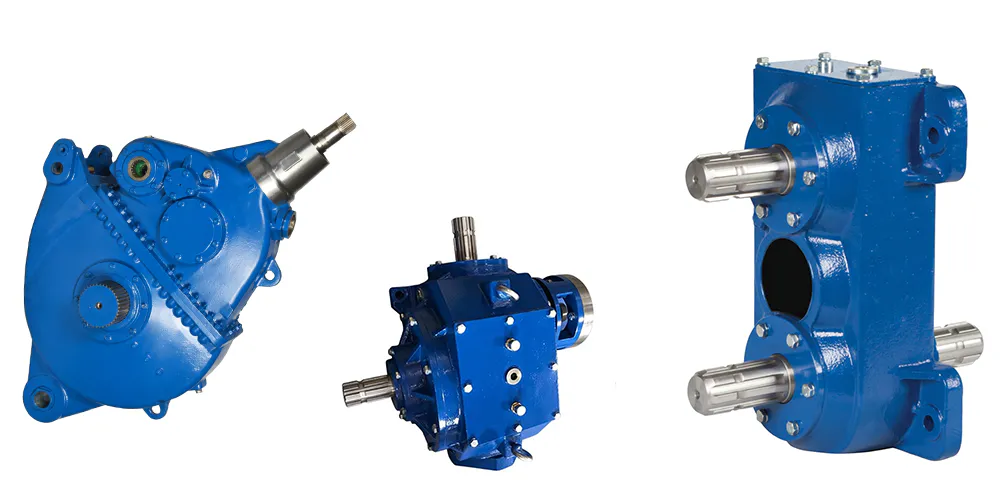
Square Baler Gearbox
The gearbox is the mechanical heart connecting your tractor's PTO output to the baler's internal mechanisms. A correctly rated square baler gearbox ensures torque is transferred at the correct ratio for the EP-9YFS-2.2 Square Hay Baler's plunger and knotter drive train. Mismatched gearboxes are one of the leading causes of premature mechanical failure on baling equipment — our matched gearbox units are pre-engineered for this model's ≥51.5 kW power range and dual-chamber load profile, eliminating guesswork for the buyer.
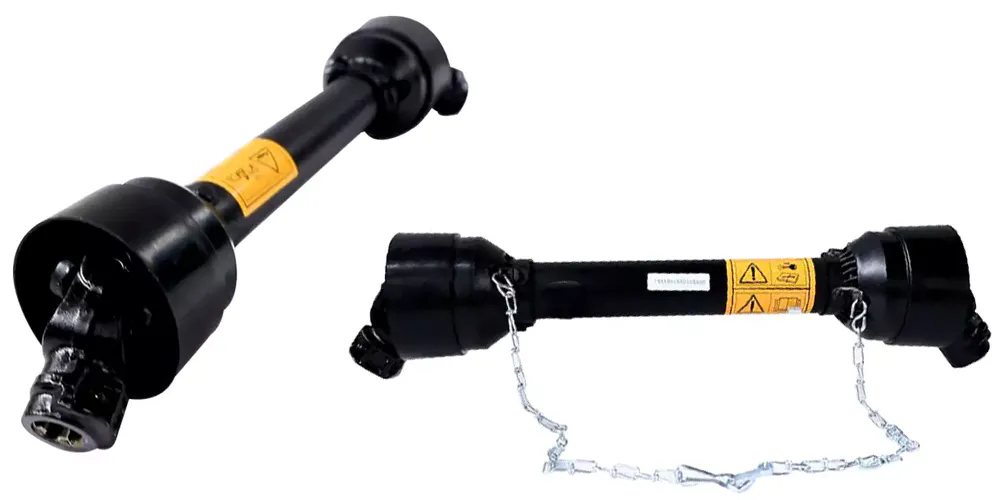
PTO Drive Shaft
The PTO shaft bridges the tractor's power take-off and the baler input, and it must be rated for the rotational speed and torque demands of dual-chamber operation. Our PTO Shaft range covers the speed and overload protection specifications required for this machine. Each shaft includes a friction clutch overrun protection device, which prevents shock loads from damaging the tractor transmission during blockage events — a safety requirement under EN ISO 5673-1 for agricultural machinery PTO drivelines sold in EU and UK markets.
9. About Us - Square Hay Baler Manufacturer
We are a specialized manufacturer and global exporter of agricultural baling machinery with a dedicated focus on hay baling solutions for commercial farms, contractors, and livestock operations worldwide. Our engineering team combines hands-on field experience with structured R&D to develop machines that address the real-world demands of high-volume hay and straw operations in diverse climatic and agronomic conditions — from the dry summers of South Korea's cereal belt to the temperate hay seasons of the British Isles, the Netherlands, and Australia.
Our product line spans the full spectrum of baling output categories: from compact models suitable as a small baler for compact tractor setups on family-scale operations, to heavy-duty dual-chamber units like the EP-9YFS-2.2 designed for large commercial fields. Every machine exits our facility through a multi-stage quality control process covering weld inspection, functional pre-delivery testing, and dimensional verification against engineering drawings. We ship to over 40 countries and maintain an active spare parts program to support the full product lifecycle in your market.
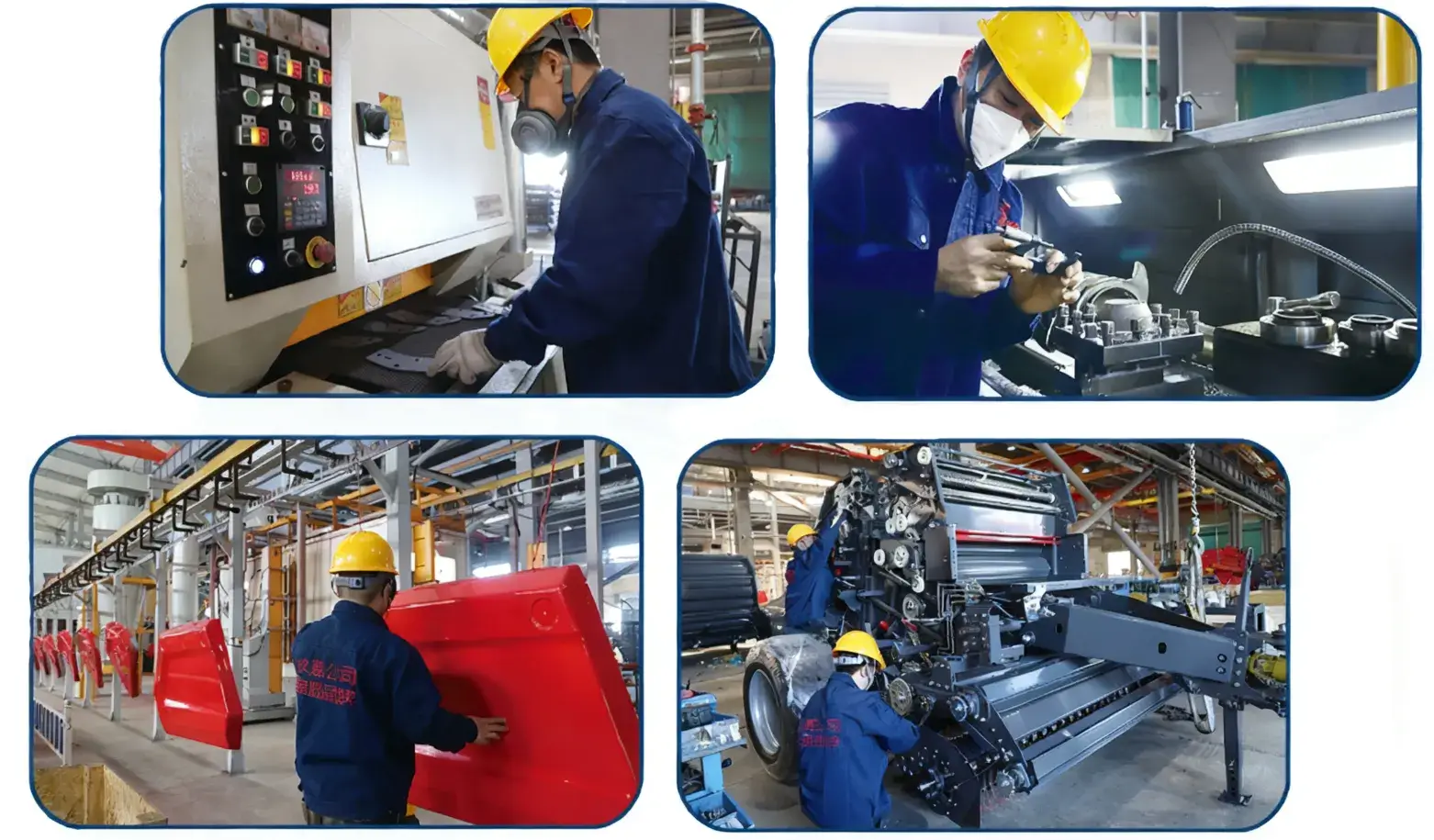
Workshop


Frequently Asked Questions
Q1. What is the difference between round and square hay bales when deciding which baler to buy for a mid-size farm in South Korea?
Square bales offer easier stacking and handling in confined storage buildings, which is a practical advantage for farms with standard rectangular sheds. They also integrate well with mechanized feeding systems used in Korean dairy and livestock operations. Round bales shed rain better in outdoor storage but require a front loader or bale handler to move, adding equipment cost. If your storage is under roof and your herd uses a feeding system designed for rectangular bales, a square hay baler is generally the more efficient choice.
Q2. How much does a square bale of hay typically weigh when produced by the EP-9YFS-2.2?
The weight of each square bale of hay produced by the EP-9YFS-2.2 depends on crop density and moisture content, but with the 460 × 360 mm chamber and a standard bale length setting, individual small square bales typically range from 20 to 35 kg for dry hay and up to 45 kg for silage-moisture material. Exact bale weight can be adjusted by varying the plunger pre-compression setting and bale length tie-off point.
Q3. Which tractor horsepower is required to run this square hay baler for a large Australian hay operation?
The EP-9YFS-2.2 Square Hay Baler requires a tractor with a minimum PTO output of ≥51.5 kW, which corresponds to approximately 70 horsepower at the PTO shaft. Most tractors in the 85–120 HP range will run this machine comfortably with power to spare for field terrain variations. For Australian operations with heavy straw or wet alfalfa cuts, a tractor in the 100–120 HP bracket is recommended to maintain consistent throughput without power fade.
Q4. What type of twine or rope does the EP-9YFS-2.2 square hay baler use, and where can I source it in Europe?
The machine uses standard agricultural baler twine compatible with D-Type knotters. Polypropylene (PP) twine in the 200–250 tex range is the most common choice for dry hay applications across European markets. In the Netherlands, Germany, and the UK, compatible twine is widely stocked by agricultural merchants such as Agrifac suppliers and farm co-operatives. We also supply bulk twine for buyers who want a single supplier for machine and consumables.
Q5. How does the EP-9YFS-2.2 compare to a mini square baler for small farm use in terms of bale output per hour?
A mini square hay baler typically produces 40–80 bales per hour at lower field speeds, suited for small paddocks and hobby farms. The EP-9YFS-2.2 dual-chamber design, operating at normal field speed, can produce 180–280 bales per hour (across both chambers combined), making it 2–4 times more productive than a light-duty machine. For operations with more than 20 hectares of hay to bale per season, the productivity difference typically justifies the higher equipment investment within one or two seasons.
Q6. What routine maintenance schedule should I follow to keep the square hay baler gearbox in good condition throughout the baling season?
The square hay baler gearbox should be checked for oil level at the start of each baling day during peak season. A full oil drain and refill is recommended at the end of each 150–200 operating hour block, using the gear oil grade specified in the machine manual (typically GL-4 or GL-5 90W). Grease all zerks on the gearbox input and output shafts every 50 hours. Inspect the gearbox breather regularly to prevent pressure build-up, and check all external fasteners for tightness after the first 10 hours of operation each season.
Q7. Can this large square hay baler handle rice straw baling in Korean paddy field conditions, and what pickup adjustments are needed?
Yes — the spring-tooth pickup on the EP-9YFS-2.2 Square Hay Baler handles rice straw effectively when the pickup height is set close to the field surface to capture the short-cut stems. In Korean paddy conditions, it is advisable to bale as soon as the straw reaches 14–16% moisture to prevent knotter complications from damp material. Slowing field speed slightly during the first field to confirm consistent flake formation in both chambers is recommended practice, particularly for operators new to rice straw baling.
Editor: PXY