
9YG-2.24D S9000 Series Technical Parameters
| Project Name | 单元 | Specifications (S9000 Transcendence) |
|---|---|---|
| Pickup Width | 毫米 | 2240 |
| Compression Chamber Mechanism | / | Roller Type (18 Rollers) |
| Bale Dimensions (D x W) | 毫米 | Φ1300 × 1400 |
| Bale Density | kg/m³ | 100 – 200 |
| Supporting Power | kW | 55 – 100 (75 – 135 HP) |
| Production Efficiency | Bales/h | 40 – 100 |
| Working Speed | 公里/小时 | 5 – 35 |
1. Navigating the Challenges of Mechanized Baling in Arid Regions
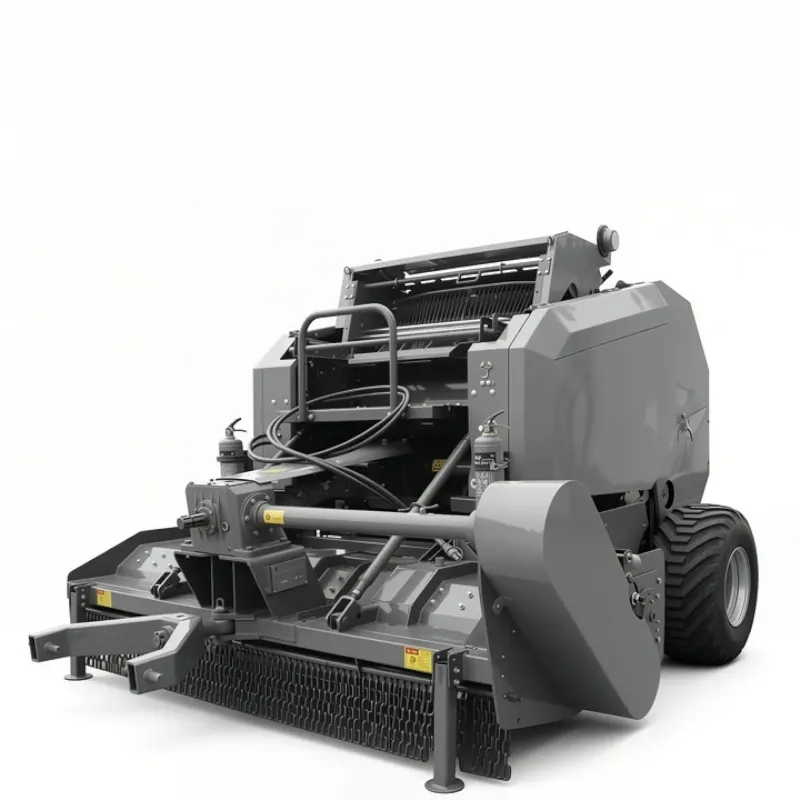
2. Five Key Advantages of Our Round Baler Series
1. High-Efficiency Pickup System
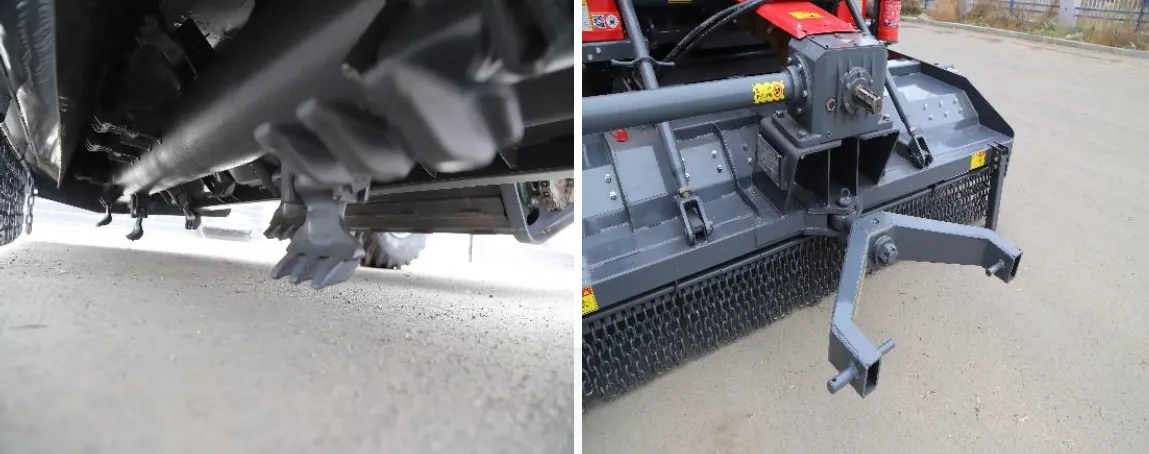
Features a 2240mm wide pickup width with camless logic, doubling efficiency while reducing power consumption and grass clogging.
2. Reinforced Drive Systems
Utilizes 20A heavy-duty chains and dual-side sprocket drive designs for maximum torque transmission and operational stability.
3. Intelligent Density Control
Equipped with high-precision sensors that monitor bale density in real-time, ensuring uniform 100-200 kg/m³ results every time.
4. Superior Environmental Adaptability
Designed with a “Transcendence” drawbar allowing 100° horizontal rotation and 30° tilt, perfect for uneven and rugged terrains.
5. Multi-Crop Versatility
Seamlessly handles corn stalks, wheat straw, soybean vines, and natural grasses, making it a truly universal round hay baler.
3. Technical Specification Breakdown
Action Method: The equipment utilizes a “semi-forced” axial feeding mechanism. The pickup tines lift the forage into the compression chamber, where 18 precision-engineered rollers (S9000 series) rotate and compress the material into a tight core, expanding outward until the desired density is met.
Structural Type: Fully trailed (traction type) with a robust horizontal frame. The S9000 Transcendence model features a specialized dual-joint transmission shaft and a torque-safe drive system to prevent mechanical overload during high-intensity operations.
Manufacturing Structure: Modern assembly involves CNC laser cutting for frame precision and automated welding lines to ensure structural integrity. The use of “H-type” hydraulic sleeve joints allows for faster chamber opening/closing speeds and higher pressure tolerance.
Material System: High-tensile carbon steel frames combined with wear-resistant alloy for rotating rollers. Critical components like the round baler gearbox are housed in cast iron for superior heat dissipation and rigidity.
Surface Treatment: All metal parts undergo a rigorous electrostatic powder coating process. This provides a hard, durable finish that resists UV degradation, moisture, and the abrasive nature of sand-laden winds.
Environmental Grade & Work Features: Classified for “Heavy-Duty Agricultural Use.” It is optimized for high-temperature, low-humidity environments with a working speed ranging from 5 to 35 km/h, making it significantly faster than traditional models.
Typical Failure Modes: In dusty conditions, failure often stems from bearing contamination or chain elongation. Our design mitigates this through sealed, self-lubricating bearings and 20A grade reinforced chains.
Recommended Configuration: For remote African farms, we recommend the 9YG-2.24D S9000 Transcendence equipped with the net-wrapping system for faster cycle times and better bale protection against wind-blown soil.
4. Primary Round Baler Applications
Livestock Feed Preservation
Collecting natural grasses and forage in vast pasture lands to create high-density bales for year-round feeding, especially during drought cycles.
Crop Residue Management
Efficiently clearing corn stalks, wheat straw, and rice straw post-harvest, converting waste into valuable resources for biomass or animal bedding.
Commercial Fodder Export
Producing standardized, high-density 500-1000kg bales that are easy to transport over long distances to local markets or international ports.
5. Integrated Agricultural Systems
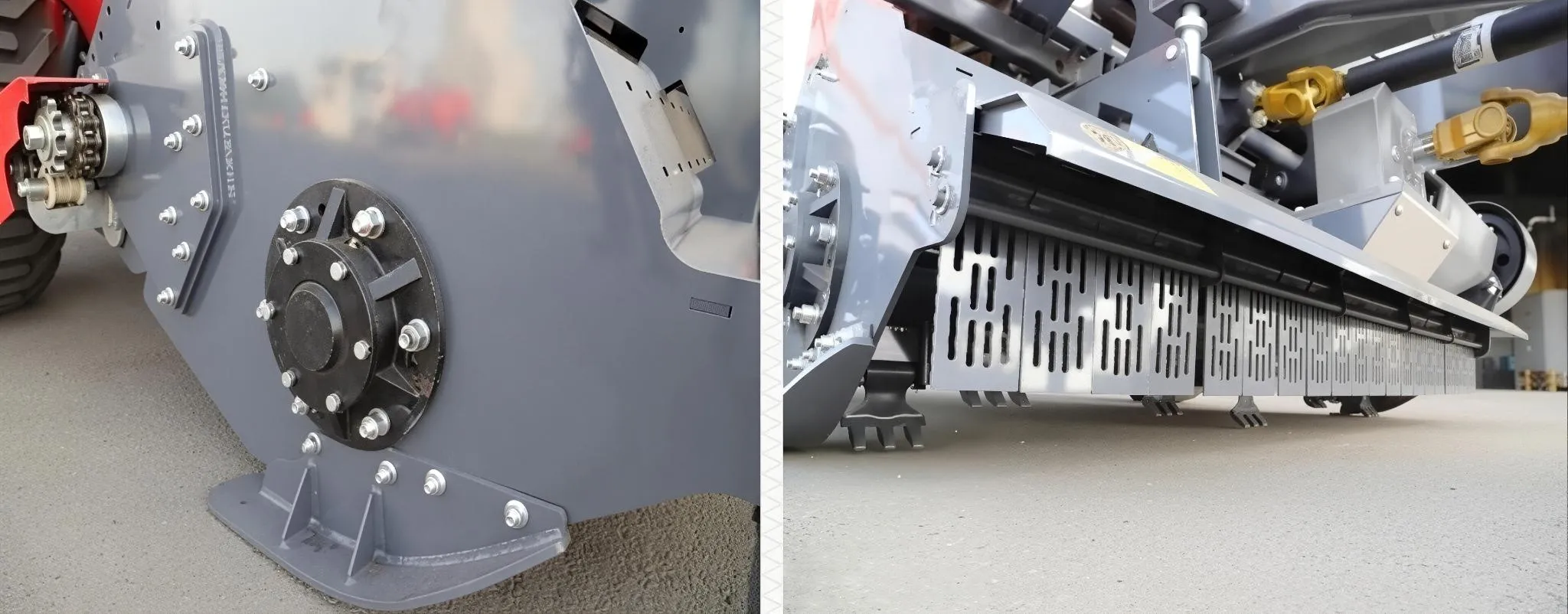
To ensure peak performance and system longevity, we also manufacture high-quality PTO Shafts and specialized Gearboxes designed for seamless compatibility. Choosing an integrated solution from a single provider ensures that your round baler gearbox and drivetrain components are perfectly matched for torque and environmental resistance, offering a true one-stop-shop advantage for global agricultural enterprises.

Frequently Asked Questions
Q1: What are the primary benefits of utilizing a round baler machine with a camless pickup system when harvesting brittle corn stalks?
A1: Camless designs have fewer moving parts, which reduces the friction and vibration that often shatters dry leaves. This ensures more nutritional value is retained in the bale while lowering overall power consumption.
Q2: Is it possible to find a small round baler for 40 hp tractor operations that still maintains high bale density for commercial transport?
A2: Yes, our 9YG-1.0 series is specifically optimized for lower-horsepower tractors while utilizing an 18-roller compression system that achieves professional density levels comparable to much larger machines.
Q3: Why should farm managers in remote regions prioritize mechanical sensors over complex electronic displays for their round baler gearbox monitoring?
A3: Remote regions often lack specialized diagnostic tools. Mechanical indicators and robust sensors are easier to troubleshoot and repair on-site, ensuring that a minor electrical glitch doesn’t halt the entire harvest season.
Q4: How does the Transcendence drawbar improve safety when using a round baler machine on steep or uneven hillside grazing lands?
A4: The specialized drawbar allows for greater tilt and rotation angles, preventing the PTO shaft from binding or snapping when the tractor and baler are on different planes, a common issue on rugged terrain.
Q5: What specific maintenance routine is recommended for a round baler machine used primarily for heavy, moisture-laden silage crops in tropical regions?
A5: After silage baling, it is vital to clean the rollers of sticky residue and check for acid corrosion. Our electrostatic powder coating provides significant protection, but daily washing is still recommended for longevity.
Q6: Which type of wrapping material is better for bales that must be stored outdoors in high-UV environments like the Sahara region?
A6: Net wrapping is generally superior as it covers the bale edge-to-edge, shedding water more effectively and providing better structural integrity against wind erosion compared to traditional twine systems.
Q7: Can the 9YG series round baler machine be adapted to harvest unique crops like soybean vines or flax without significant mechanical modification?
A7: Yes, the adjustable feeding throat and sensor-controlled density allow the operator to fine-tune the machine for various crops. The roller-type chamber is naturally versatile for both stalky and fine materials.
Q8: When considering a round baler machine supplier, how important is the availability of pre-sales technical consultation for custom irrigation farm layouts?
A8: It is critical. Our engineers provide tailored advice to ensure the baler’s turning radius and pickup width align with your field’s windrow spacing and irrigation pipe locations for maximum efficiency.
编辑:PXY