
How to Make the Perfect Silage Bale: Moisture, Density & Wrapping Tips
Creating the ultimate silage requires significantly more than merely harvesting forage from the field; it demands a profound, scientific understanding of moisture management, compression dynamics, and meticulous wrapping techniques. As global agricultural operations continue to scale up exponentially, particularly within highly technologically advanced and heavily regulated farming sectors like South Korea, the absolute reliance on superior, high-performance harvesting machinery becomes undeniably crucial. Implementing a top-tier round baler machine in your operational fleet transforms raw, freshly cut forage into a highly nutritious, perfectly preserved feed resource that can dramatically boost livestock productivity and overall dairy yields. Throughout this exceptionally comprehensive guide, we will delve deeply into the exact agronomic methodologies required for accurately managing moisture levels, precisely calibrating bale density, and executing flawless, airtight wrapping procedures. Furthermore, we will critically examine the essential mechanical traits, robust engineering structures, and intricate systems of cutting-edge agricultural equipment that seamlessly facilitate these perfect harvesting results. Whether you are operating a vast commercial farm aiming for massive output or a specialized local agricultural cooperative focused on premium quality, deeply grasping the intricate science behind forage preservation is your ultimate key to minimizing costly spoilage and maximizing maximum nutritional retention. Join us as we meticulously explore the intersection of modern agronomic best practices and the sophisticated, heavy-duty engineering embedded within the modern round hay baler, ensuring your upcoming harvesting season yields unparalleled operational success and unmatched animal feed quality.
1. Mastering Moisture Control for Silage Success
The precise moisture content of your harvested forage is universally recognized by agronomists as the single most critical variable in the production of exceptional quality silage, serving as the primary biological catalyst for the entire fermentation process. If the agricultural crop is processed by a round baler machine when it is excessively wet, you inherently risk the rapid proliferation of dangerous clostridial bacteria, a dire situation which inevitably leads to foul-smelling, highly unpalatable feed and massive dry matter losses that can thoroughly devastate an entire winter feed inventory. Conversely, if the collected plant material is allowed to become far too dry before harvesting, achieving the absolutely necessary compaction and density becomes mechanically impossible for even a powerful small round baler, allowing unwanted ambient oxygen to remain trapped deep within the internal layers. This persistent residual oxygen aggressively encourages the explosive growth of destructive molds and yeasts, leading directly to rapid aerobic deterioration and the potential for severely harmful mycotoxin contamination in the livestock diet. The scientifically optimal moisture window typically ranges precisely between fifty and sixty-five percent, heavily dependent upon the specific crop variety, local topology, and shifting climatic conditions. In regions experiencing rapid weather fluctuations, such as the dynamic agricultural zones of South Korea, farmers must rely heavily on highly accurate moisture meters and precisely calculated wilting periods to confidently hit this optimal target window. Utilizing an industrial-grade round hay baler equipped with advanced, non-clogging feeding mechanisms ensures that even strictly within this narrow moisture window, the heavy crop is gathered with maximum efficiency and consistency, meticulously preserving the delicate, nutrient-rich leaf structures that contain the absolute highest nutritional value for dairy and beef cattle.
2. Operational Mechanics and Technical Parameters
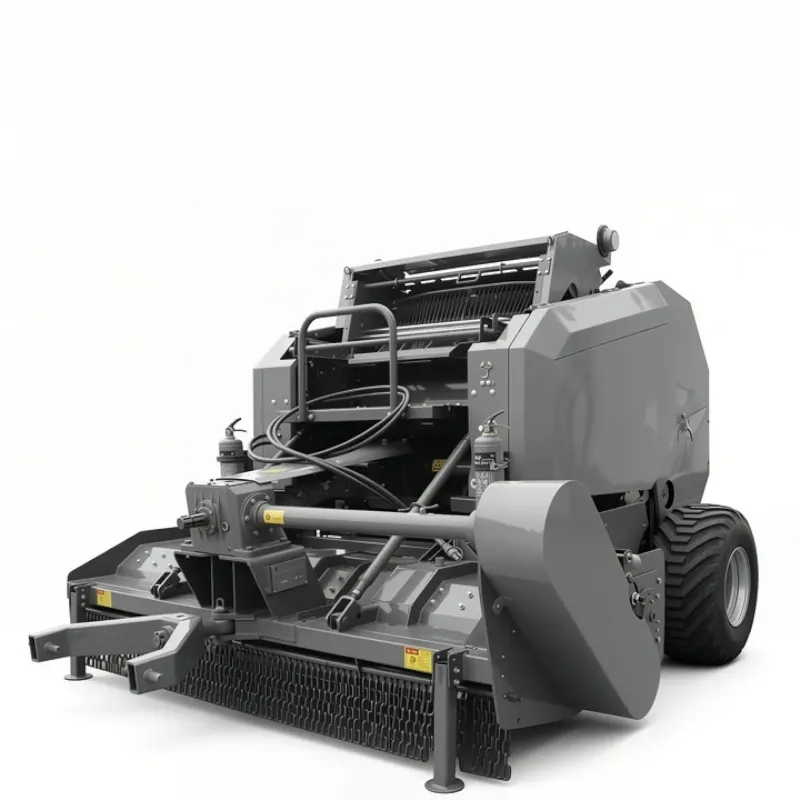
| Parameter Item | Specification / Value |
|---|---|
| モデル名 | EP-9YG-2.24D (S9000 Transcendence) |
| ヒッチタイプ | Trailed (Traction) |
| ピックアップ幅 | 2240 mm |
| Compression Mechanism | Heavy-Duty Roller Type (18 Rollers) |
| Bale Size (Diameter x Width) | 1300 mm x 1400 mm |
| Required Power Match | 55 – 100 kW |
| 構造重量 | 4570 kg |
| Bale Density Range | 100 – 200 kg/m³ (Sensor Controlled) |
| 製本方法 | 自動ネットラップ |
| 生産性 | 40 ~ 100 Bales / hour |
3. Achieving the Ultimate Bale Density
Achieving the absolute correct bale density is fundamentally essential when preparing premium silage, as it directly dictates the effectiveness of the anaerobic environment required for proper preservation. When the crop enters the processing chamber of a high-capacity round baler machine, the internal mechanical systems must apply tremendous, unyielding pressure to aggressively squeeze out all trapped air pockets from between the plant stems. This rapid oxygen exclusion halts cellular plant respiration and immediately jump-starts the beneficial lactic acid fermentation, dropping the internal pH quickly to stabilize the feed. An exceptionally dense bale not only ferments with far greater efficiency but also perfectly maintains its structural shape during complex handling, extended transport, and prolonged outdoor storage, preventing the sagging and physical deformation that often leads to torn plastic wrapping. Operators utilizing advanced machinery like a new holland round baler or our specialized EP models must continually calibrate their hydraulic tension settings in direct response to the varying crop conditions observed throughout the day. For instance, coarse, stemmy crops like mature sorghum or thick stalk corn require a significantly higher density setting to achieve the necessary compaction compared to fine, soft meadow grasses. Investing in equipment that features intelligent sensor-controlled density management allows the operator to maintain uniform compression from the inner core all the way to the outer edge of the bale. This meticulous level of compression control ensures that every single round hay baler for sale evaluated by your farm is scrutinized for its ability to deliver uncompromising density, directly translating to less spoilage, lowered storage footprint, and ultimately, maximized profitability for the modern farming enterprise.
4. Professional Wrapping Techniques
Once the forage bale is perfectly formed and structurally secured, the final wrapping process serves as the absolute critical barrier between your highly valuable feed and the degrading forces of the external environment. Professional wrapping begins the very moment the bale exits the chamber of the round baler machine; time is truly of the essence, as prolonged exposure to ambient oxygen before wrapping will immediately trigger rapid heating and tragic nutrient loss. Industry best practices strongly mandate applying a minimum of six to eight distinct layers of high-quality, UV-stabilized stretch plastic film, meticulously ensuring a generous fifty percent overlap on every single rotation to create a genuinely hermetic, impenetrable seal. Operators must pay extraordinarily close attention to the film tension; the plastic must be stretched to its exact engineered specification to tightly hug the contours of the dense bale, actively forcing out any remaining surface air while simultaneously resisting punctures from stiff, protruding crop stems. Furthermore, the timing and precise location of the wrapping process are equally vital; wrapping the bales directly at the designated storage site using specialized secondary equipment is often highly preferred over field wrapping, as it completely eliminates the substantial risk of tearing the delicate plastic seal during subsequent transport and stacking maneuvers. Whether you are utilizing a massive industrial wrapper or exploring versatile round baler application techniques, maintaining a rigorous, uncompromising wrapping protocol guarantees that the complex lactic acid fermentation can proceed perfectly uninterrupted, resulting in incredibly sweet-smelling, highly digestible, and massively profitable winter feed reserves for your herds.
5. Comprehensive Equipment Engineering Specifications
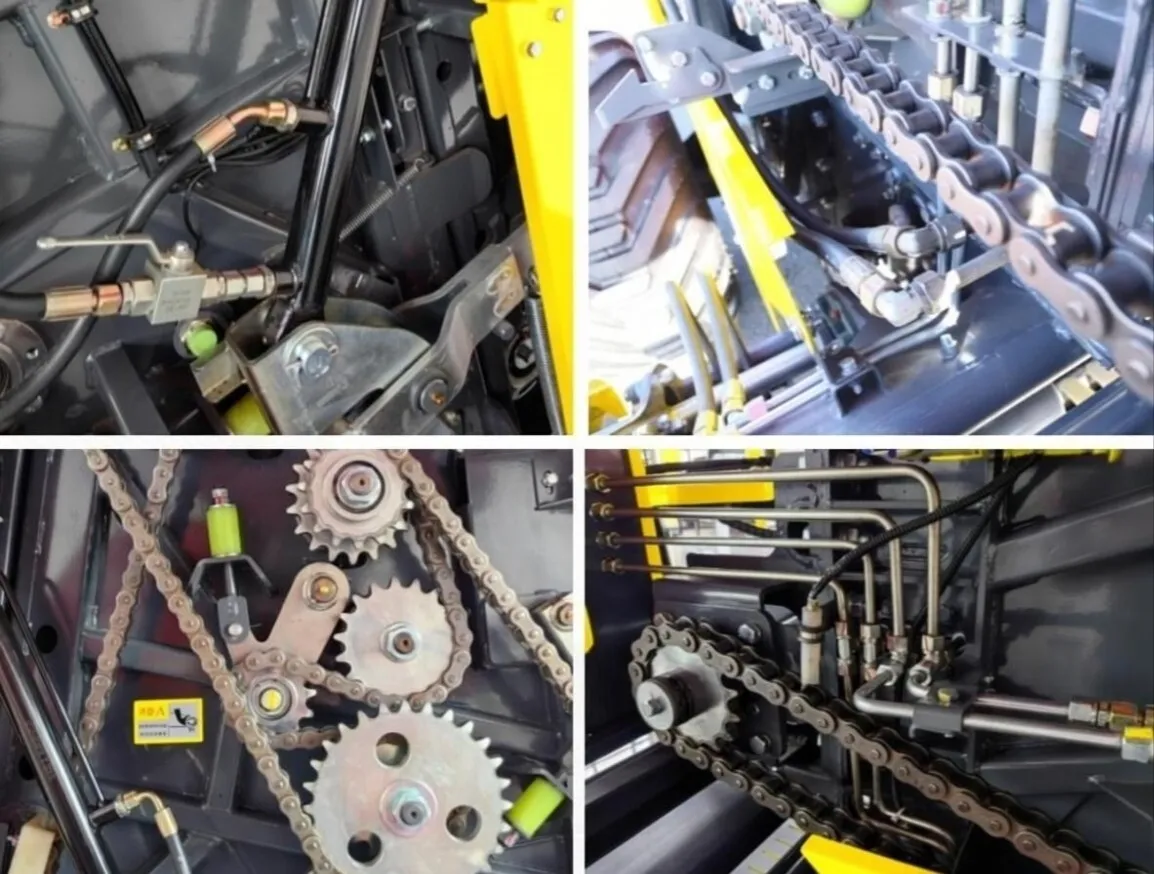
To truly understand the formidable capabilities of our flagship EP-9YG-2.24D Round Baler S9000 Transcendence, we must meticulously examine its foundational engineering parameters and robust design philosophy. The Operation Method utilizes a highly efficient, tractor-trailed lateral traction system, allowing seamless maneuverability and continuous power delivery even in exceptionally tight headlands. Its sophisticated Structural Typefeatures an advanced, heavy-duty roller-type compression chamber paired perfectly with a high-capacity, non-clogging spring-tooth pickup, ensuring relentless, uninterrupted crop flow. At its durable core, the Manufacturing Structure relies heavily upon a massively reinforced, precision-welded steel chassis explicitly designed to effortlessly withstand immense, repetitive torsional forces in uneven terrain. This is comprehensively supported by a highly engineered Material System comprising premium-grade carbon steel and specialized, wear-resistant forged alloys strategically placed in extreme high-friction operational zones. To perpetually protect this significant capital investment, the rigorous Surface Treatment involves a multi-stage, industrial-grade electrostatic powder coating process that rigorously prevents creeping corrosion, devastating rust, and UV degradation. Consequently, the machine confidently achieves a superior Environmental Rating , entirely capable of enduring harsh, all-weather outdoor operational conditions for decades. The overarching Working Condition Characteristics distinctly highlight its unparalleled adaptability to heavy-duty, continuous commercial field operations across drastically diverse agricultural topographies. In terms of preventative diagnostics, the Typical Failure Modes are brilliantly engineered to be strictly non-catastrophic, primarily involving easily replaceable, low-cost shear pins specifically designed to instantly prevent major catastrophic driveline damage during unexpected sudden blockages. Finally, the optimal Recommended Configuration involves pairing this formidable unit with a robust, high-performance tractor reliably delivering 55-100 kW of PTO power, guaranteeing maximum harvesting efficiency, flawless bale consistency, and unmatched daily productivity.
6. Advanced Material Architecture and Core Advantages
The monumental longevity and relentless reliability of our agricultural machinery are deeply rooted in an uncompromising, highly advanced material architecture that outright rejects utilizing inferior, cost-cutting components. Every single critical stress point within the round baler machine is aggressively fortified using top-tier, heat-treated forged steel, guaranteeing absolute immunity against the violent vibrational shocks inherent in heavy field work. This unwavering commitment to supreme material quality facilitates five key, industry-leading product advantages that distinctly separate our machinery from the competition. First, the incredibly rapid fast-hitch linkage system drastically minimizes the tedious connection time between the tractor and the baler, dramatically streamlining operational efficiency right from the start of the day. Second, the highly innovative double gearbox transmission system is capable of pivoting an astonishing 90 degrees both left and right; this masterful engineering allows for exceptionally tight, agile headland turns without ever having to dangerously disengage the PTO power, massively reducing operator fatigue. Third, the compression chamber is fiercely driven by an oversized, heavy-duty 20A double-sided industrial roller chain mechanism, completely eliminating the notorious slippage issues often found in inferior belt-driven models and ensuring a consistently massive compression force. Fourth, the highly adaptable lateral traction system actively allows for an extreme 100-degree lateral turning angle and can safely accommodate up to a 30-degree transverse tilt, conquering profoundly uneven and challenging topographies with profound ease. Fifth, the implementation of highly advanced, hyper-accurate electronic sensors constantly monitor internal pressure dynamically, strictly ensuring that the bale density remains perfectly uniform and precisely within the crucial 100-200 kg/m³ range, guaranteeing flawlessly preserved silage every single time.
7. Navigating Agricultural Machinery Regulations in South Korea
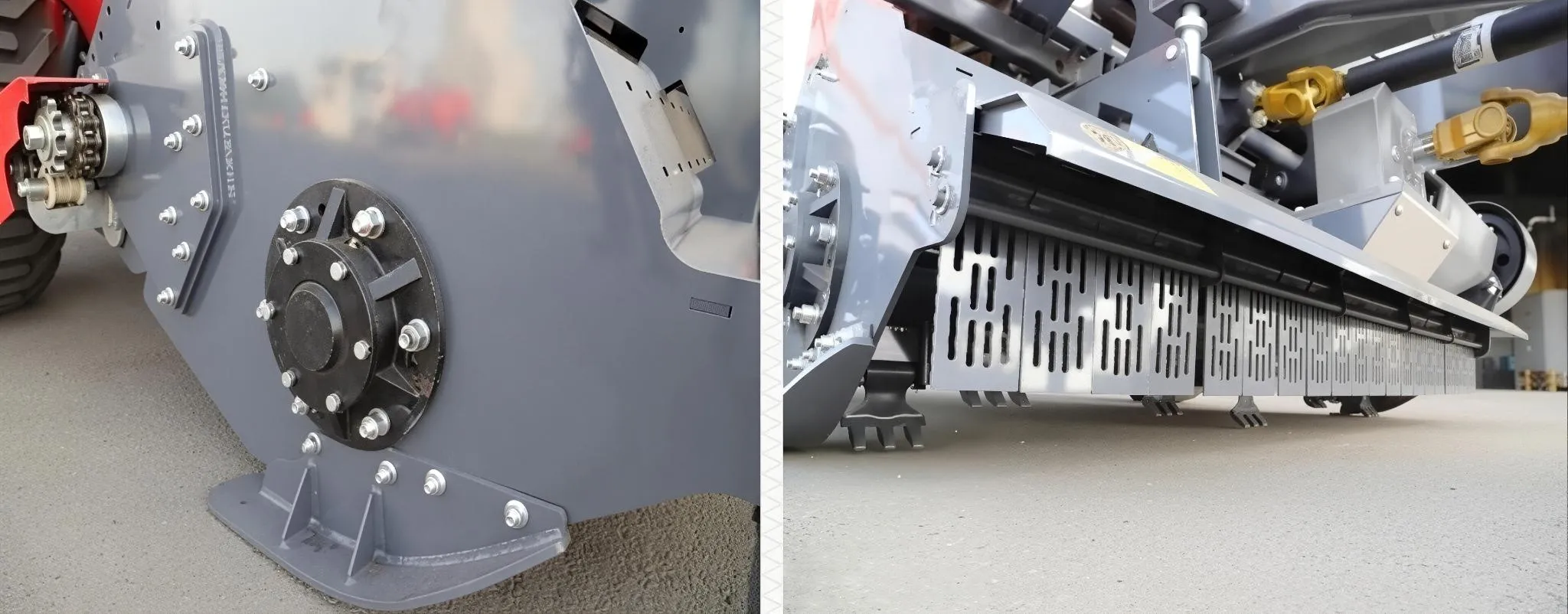
Navigating the incredibly intricate and fiercely strict regulatory and legal landscape governing agricultural machinery is an absolute, non-negotiable requirement for successful global deployment, particularly when aiming to operate within the highly structured, technologically advanced agricultural sector of South Korea. The South Korean agricultural framework, strictly overseen by rigorous governmental bodies, enforces exceptionally high safety, environmental, and mechanical performance standards for all imported and domestic farming equipment, without exception. This includes every single round baler machine and its vital internal systems. Regulatory agencies strictly mandate that primary drive components, especially the high-torque power take-off (PTO) mechanisms and the central round baler gearbox, must undergo exhaustive, punishing compliance testing to successfully meet highly localized, stringent safety certifications (such as KC marks), thereby significantly minimizing the catastrophic risks of operator injury and unexpected mechanical failure in the field. Furthermore, modern South Korean environmental laws aggressively dictate acceptable acoustic noise emission levels and strictly mandate physical footprint designs that drastically reduce destructive soil compaction and completely prevent hazardous hydraulic fluid leakages, meticulously safeguarding the nation’s precious, limited arable lands. Ensuring absolute compliance with these highly stringent legal mandates is not merely a bureaucratic legal obligation; it is a fundamental, absolute prerequisite for dedicated farmers seeking to legally qualify for essential, highly lucrative governmental agricultural subsidies. By aligning complex equipment designs strictly with these specific, demanding national standards, global manufacturers provide South Korean farming cooperatives with robust, entirely legally compliant, and phenomenally efficient machinery that perfectly addresses their highly unique topological challenges and rigorous agronomic demands.
8. Versatile Application Scenarios
In massive commercial dairy operations where nutritional consistency is paramount, the relentless reliability of a heavy-duty round baler machine is indispensable. These powerful units rapidly process immense volumes of high-moisture alfalfa and rye grass, achieving the extreme density required to lock in the volatile fatty acids necessary for peak milk production. The continuous, failure-free operation ensures that the massive daily feed requirements of thousands of cattle are met without catastrophic seasonal delays.
For agricultural regions dominated by steeply rolling hills and highly uneven landscapes, utilizing a specialized farm maxx mini round baler or similar compact models provides unparalleled agility and safety. The low center of gravity and heavily articulated lateral traction systems prevent dangerous rollovers, allowing operators to safely harvest nutritional pockets of pasture that larger, unwieldy industrial combines absolutely cannot reach, drastically maximizing the total usable yield of the farmland.
Agricultural contractors managing a diverse portfolio of client farms demand machinery with immense versatility and rapid deployment capabilities. A robust small round baler for 40 hp tractor offers the perfect balance of massive compression power and transportable ease. Contractors can swiftly move between wildly different crop types—from dry wheat straw to heavy, wet sorghum silage—relying on easily adjustable density sensors to consistently deliver perfect, uniform bales that deeply satisfy their demanding clientele.
9. Integrated Agricultural Component Ecosystem
We emphatically recognize that a high-performance harvesting machine is only as utterly reliable as the sum of its power transmission components. To aggressively ensure absolute system compatibility and offer our global clientele the immense logistical benefits of a true, one-stop supply chain, we proudly manufacture and distribute a complete, heavy-duty series of complementary power components. These highly engineered transmission elements are rigorously designed specifically to perfectly interface with our sophisticated baling equipment, completely eliminating dangerous torque mismatches. We fiercely encourage operators to explore our massive inventory of industrial-grade PTOシャフト assemblies, built specifically to relentlessly handle brutal, fluctuating field loads without catastrophic snapping. Simultaneously, upgrading your drivetrain with our precision-forged agricultural Gearboxes guarantees butter-smooth rotational power delivery from the tractor engine directly to the baler’s massive internal compression rollers, drastically extending the total lifespan of the entire mechanical ecosystem.
High-Torque PTO Shafts
Experience relentless, uninterrupted power transfer. Our specialized PTO shafts are meticulously engineered to handle extreme torque spikes and violent vibrations, heavily featuring advanced shear pin protection and robust universal joints that seamlessly prevent catastrophic driveline destruction during unexpected blockages.
Precision Agricultural Gearboxes
The beating heart of mechanical longevity. Our heavy-duty gearboxes feature precision-machined, heat-treated alloy gears enclosed in highly durable, leak-proof cast iron housings, explicitly designed to deliver smooth, massive rotational force to your baler while maintaining exceptionally low operating temperatures.

About Our Manufacturing Excellence
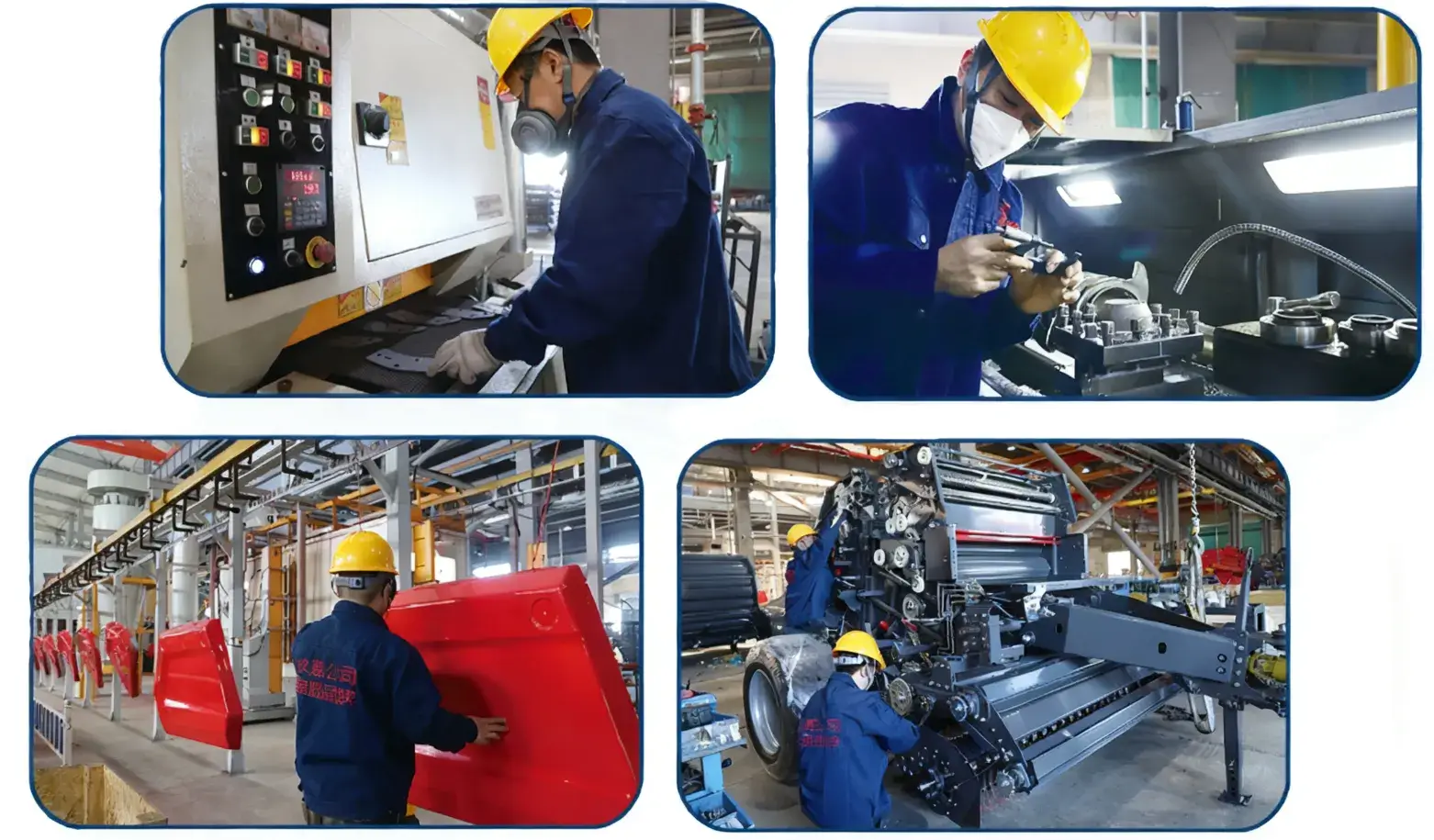
Rooted in a profound, multi-generational dedication to agricultural advancement, our sprawling manufacturing facilities represent the absolute pinnacle of heavy industrial engineering. We combine state-of-the-art robotic welding, precision laser cutting, and relentless metallurgical testing to forge machinery that outright refuses to fail under the most punishing global conditions. Every single unit rolling off our immaculate assembly lines has been subjected to brutally strict quality assurance protocols, ensuring that farmers receive equipment capable of elevating their operational efficiency to unprecedented heights. We invite you to witness the relentless scale and surgical precision of our fabrication environment, where raw, unyielding steel is meticulously transformed into the ultimate agricultural harvesting solutions.
Work Shop
Frequently Asked Questions (FAQ)
Q1. What factors significantly influence the total operational cost of a mini round baler for sale?
The true, long-term operational cost comprehensively encompasses the ongoing maintenance of heavily stressed moving parts, recurring wrapping net expenses, the daily fuel consumption of the paired pulling tractor, and the highly specific mechanical durability of the internal compression components involved.
Q2. How does the specific pickup mechanism on a small round baler for 40 hp tractor effectively handle wet, heavy forage?
Advanced, heavy-duty pickup mechanisms brilliantly utilize resilient spring-tooth designs and highly specialized, aggressive feeding rotors that forcefully channel tremendously wet, dense forage directly into the main compression chamber without causing devastating internal blockages or power stalls.
Q3. Which rigorous maintenance routines explicitly prevent unexpected catastrophic downtime during peak harvesting season for a round baler machine?
Strict daily inspections of the central round baler gearbox, aggressively lubricating the massive heavy-duty drive chains, carefully verifying all hydraulic fluid levels, and thoroughly checking the structural integrity of the delicate binding system are absolutely essential survival routines.
Q4. When is the exact right operational time to dynamically adjust the massive bale density settings on a new holland round baler alternative?
Critical hydraulic density adjustments should absolutely be made dynamically, heavily based on continuous, real-time moisture readings of the incoming crop, strictly ensuring that significantly wetter plant materials are packed slightly looser to allow the proper, crucial lactic fermentation.
Q5. Why is utilizing a specialized, high-torque round baler gearbox absolutely critical for the ultimate longevity of round baler parts?
The massive gearbox serves as the indispensable central power transmission hub; a highly specialized, extreme high-torque gearbox ensures impeccably smooth power delivery, significantly reducing catastrophic mechanical stress and entirely eliminating typical failure modes across all vital operational components.
Q6. What highly specific round baler application techniques reliably yield the absolute highest nutritional value in commercial dairy feed?
Aggressively utilizing a maximum high-compaction mechanical setting to violently eliminate trapped oxygen pockets, immediately followed by an extremely rapid, tight multi-layered net wrapping process, perfectly maximizes beneficial lactic acid fermentation and flawlessly preserves absolutely essential nutritional compounds.
Q7. How can operating a modern farm maxx mini round baler significantly improve harvesting efficiency in dangerously hilly agricultural terrains?
These highly specialized machines prominently feature exceptionally low centers of gravity, incredibly flexible hitching systems that safely accommodate extreme lateral angles, and specialized, wide wheel tracks that perfectly maintain rigorous stability across profoundly challenging, uneven topographical conditions.
Q8. Which specific technological advancements make a caeb mini round baler functionally suitable for modern, highly precision agriculture ecosystems?
Brilliant modern innovations such as incredibly responsive automated sensor-controlled binding, dynamically adjustable hydraulic density manipulation, and precision crop-flow monitoring enable these compact machines to integrate completely seamlessly into heavily data-driven, extreme high-yield agricultural management ecosystems.
編集者: PXY